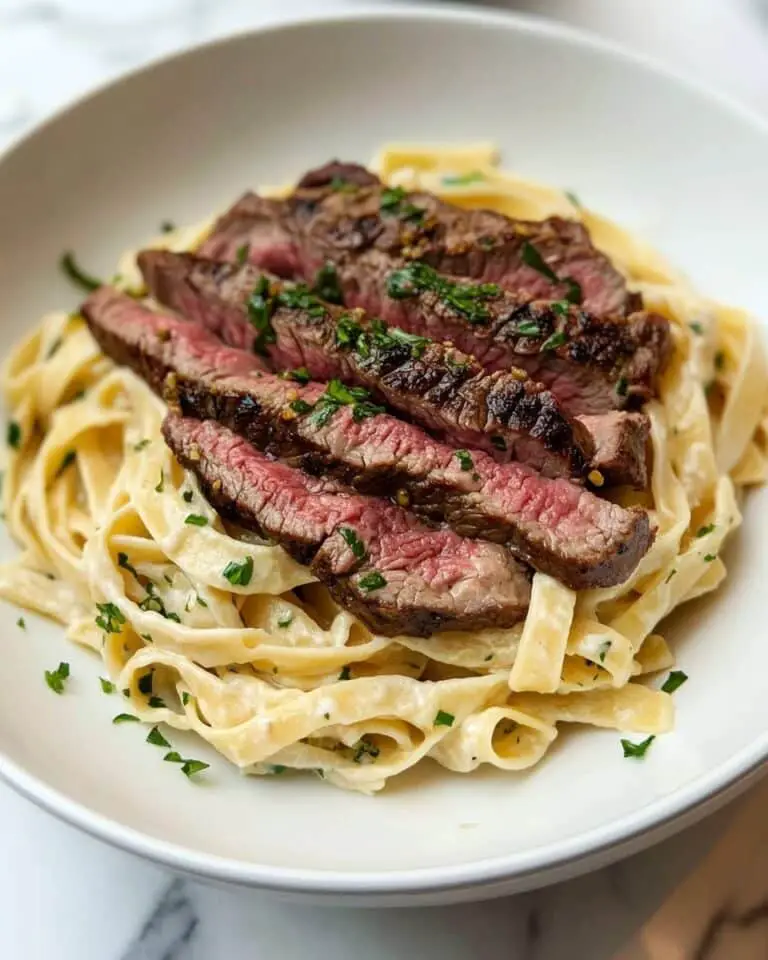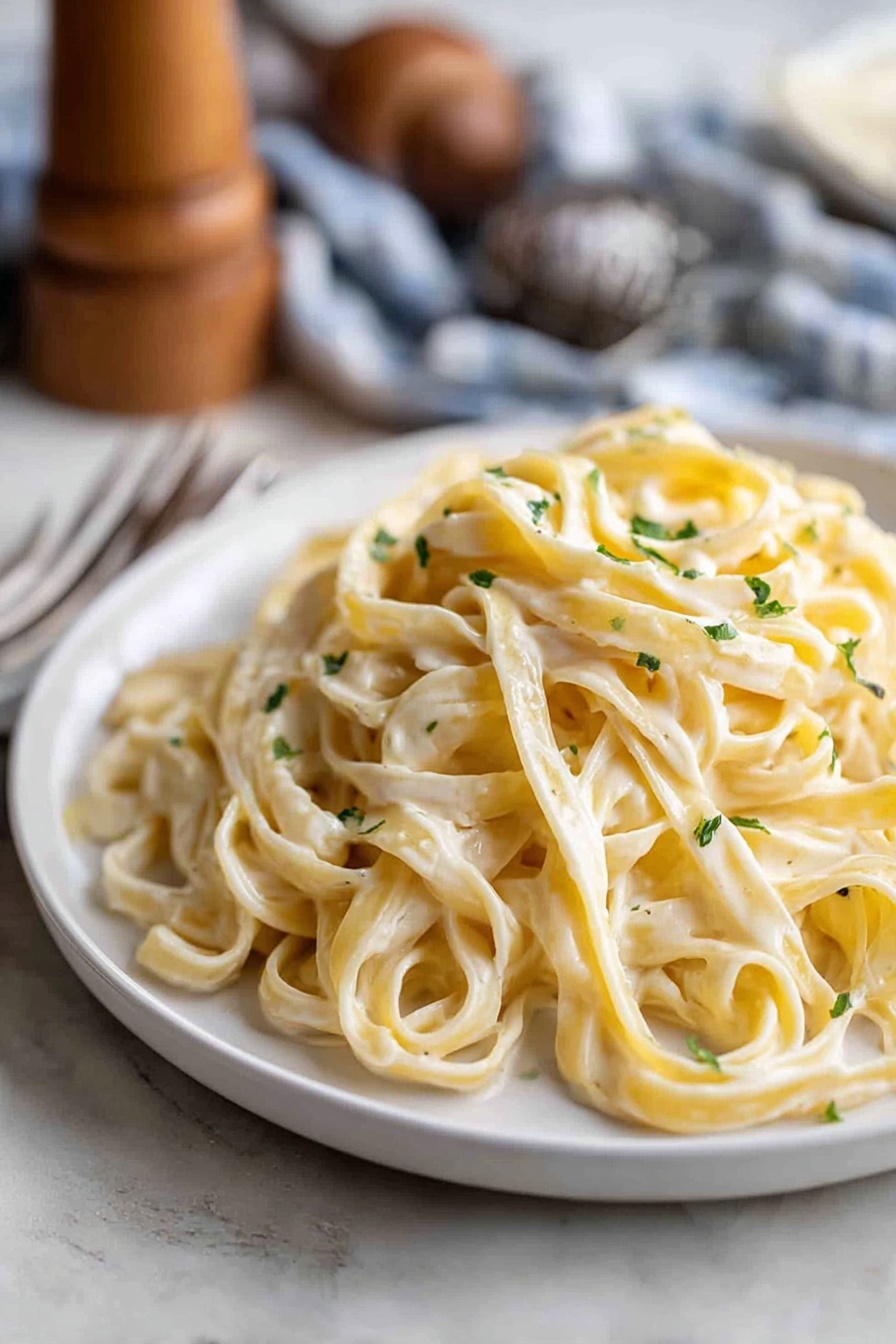
If you’re looking for a pasta dish that feels like a warm, indulgent hug, then this Creamy Fettuccine Alfredo Recipe is exactly what you need. From the very first time I whipped this up, I was hooked on how silky the sauce is and how perfectly it clings to every strand of fettuccine. Stick with me here, because I’m going to walk you through exactly how to get that rich, satisfying Alfredo sauce on your plate without any fuss — and trust me, it’s fan-freaking-tastic.
Why You’ll Love This Recipe
- Velvety Texture: The sauce finishes with a perfect emulsification, making it glossy and luxuriously creamy.
- Simplicity with Elegance: Just a handful of ingredients come together to deliver big flavor without any complicated steps.
- Made for Pasta Lovers: You get to enjoy a restaurant-quality dish that’s easy enough for a weeknight but impressive enough for guests.
- Personal Touch: I’ll share little tricks I learned that take this beyond ordinary every time.

Ingredients You’ll Need
Choosing the right ingredients is half the battle, and with this Creamy Fettuccine Alfredo Recipe, quality truly shines through. Freshly grated Parmigiano Reggiano cheese, real butter, and a touch of shallot come together beautifully — and here’s how to get the best out of each.
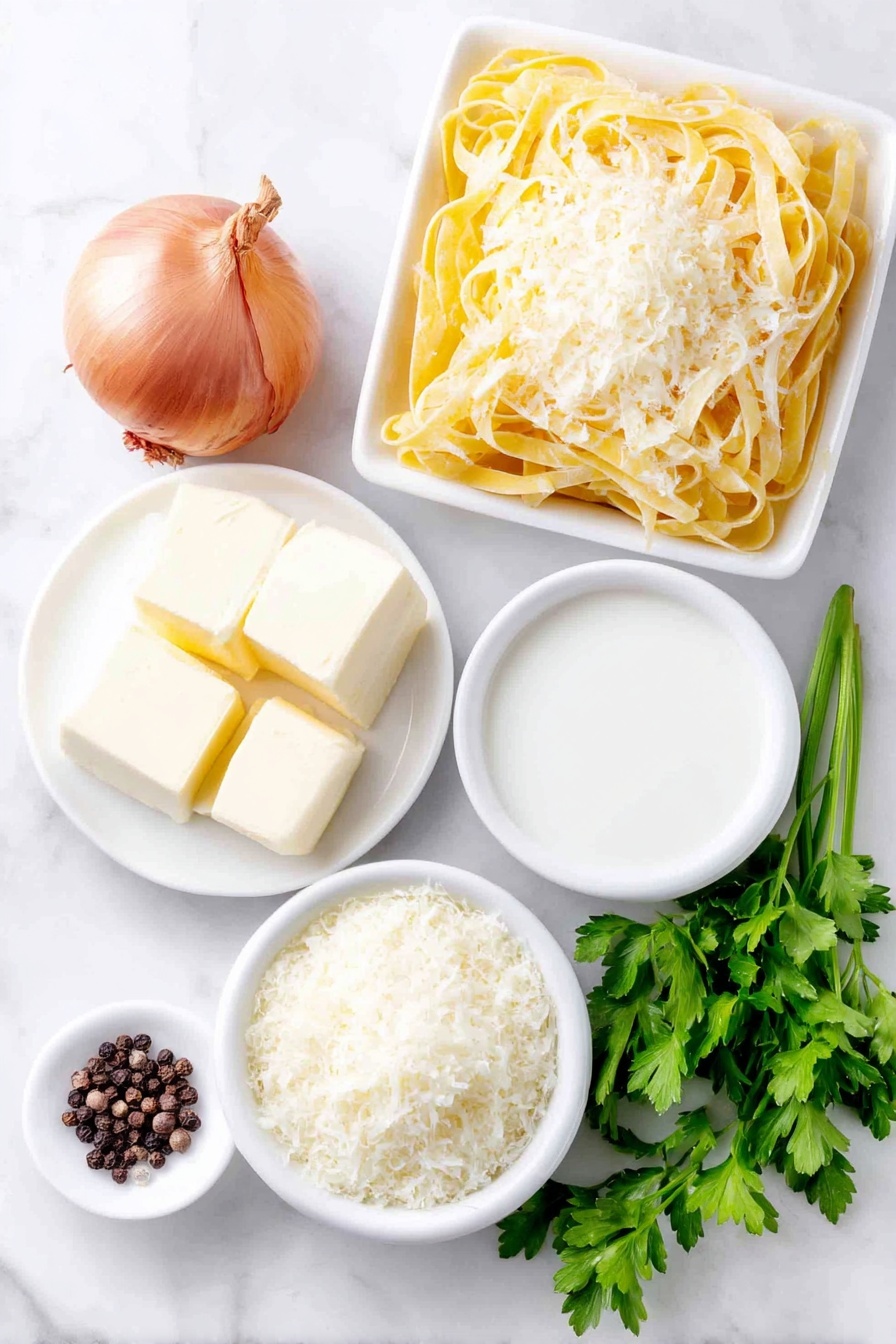
- Dried Fettuccine: Classic thick ribbons that hold onto sauce with every bite. Choose good quality pasta for best texture.
- Unsalted Butter: I stick with unsalted so I can control the saltiness precisely.
- Shallot: Adds a subtle sweetness and depth; if you can’t find shallots, finely minced onion will work too.
- Heavy Cream: This is what makes the sauce so irresistible—rich and luxurious but still light enough to coat the pasta perfectly.
- Parmigiano Reggiano: For me, this cheese makes all the difference—freshly grated to melt smoothly and deliver nutty, salty goodness.
- Salt and Black Pepper: Simple, but essential to balance and season everything nicely.
- Fresh Parsley (Optional): A sprinkle on top adds a fresh, herbaceous pop.
Variations
I love how flexible this Creamy Fettuccine Alfredo Recipe is—you can easily tweak it to fit your mood or dietary needs. Here are some ideas I’ve played with that you might want to try too!
- Protein Boost: When I want something heartier, I toss in grilled chicken or sautéed shrimp right at the end—my family goes crazy for the upgraded meal.
- Lighter Option: I sometimes swap heavy cream for light cream, but keep in mind it won’t be quite as rich or silky.
- Garlic Infusion: Adding a clove of minced garlic with the shallots amps up the flavor wonderfully if you’re a garlic lover.
- Vegetarian Twist: Roasted mushrooms or steamed broccoli stirred in make for a delicious veggie boost that keeps it comforting.
How to Make Creamy Fettuccine Alfredo Recipe
Step 1: Cook the Pasta Just Right
Start by bringing a large pot of salted water to a boil. I like to make sure the water is really salty—like sea water—because that’s your first chance at seasoning. Add the fettuccine and cook it until al dente, which means it’s still got a little bite to it—typically about a minute less than the package suggests. This way, the pasta won’t overcook when tossed with the sauce later.
Step 2: Sauté the Shallots and Melt Butter
While your pasta cooks, melt the butter in a deep frying pan over medium-high heat. The depth here matters—a deep pan lets you toss the pasta and sauce together easily. Add your finely minced shallots and sauté them for about 2 minutes until they’re tender and soft, releasing their sweet aroma. This step builds an extra layer of flavor.
Step 3: Bring in the Cream and Simmer
Pour in the heavy cream and bring it to a gentle boil. Then lower the heat to medium-low and let it simmer for about 3 minutes. You’ll see the cream start to thicken slightly, and that’s exactly what you want. Keep an eye on it to avoid boiling too vigorously, which can change the texture of the final sauce.
Step 4: Add Cheese, Salt & Pepper Off the Heat
Remove the pan from the heat and stir in freshly grated Parmigiano Reggiano, salt, and a good grind of black pepper. The key here is stirring off the heat—this prevents the cheese from clumping or becoming grainy. I can’t stress enough how much the freshly grated cheese helps create that silky finish.
Step 5: Combine Pasta with Sauce and Emulsify
Before draining the pasta, scoop out a 1/4 cup of the cooking water—and an extra mugful just in case. Drain the pasta quickly, then add it along with that reserved pasta water into the pan with the sauce. Return the pan to medium-high heat and gently toss the pasta in the sauce for about a minute. This cooking with the starch released from the noodles is what creates magic: the sauce emulsifies, becoming glossy and thick. If it gets too sticky or gluey, no worries—you can loosen it with a splash of that extra pasta water.
Step 6: Serve Immediately with Garnishes
Take the pan off the heat and serve the pasta right away. I love to sprinkle extra Parmigiano Reggiano on top and add a little fresh parsley for color and brightness. The sauce will be smooth, cling to each fettuccine strand, and just melt in your mouth.
Pro Tips for Making Creamy Fettuccine Alfredo Recipe
- Freshly Grated Cheese: I learned the hard way that pre-grated cheese just doesn’t melt the same—always grate your Parmigiano Reggiano fresh to get that perfect creamy sauce.
- Use the Pasta Water: Saving some pasta water is crucial—it’s your secret weapon to adjust the sauce’s consistency without losing flavor.
- Deep Pan for Tossing: Using a deep pan means you can toss the pasta and sauce gently, helping the starch and fat combine beautifully to create a silky finish.
- Avoid Overheating the Sauce: Don’t keep the sauce on high heat after adding cheese—too much heat can make it grainy, and that’s not what we want!
How to Serve Creamy Fettuccine Alfredo Recipe
Garnishes
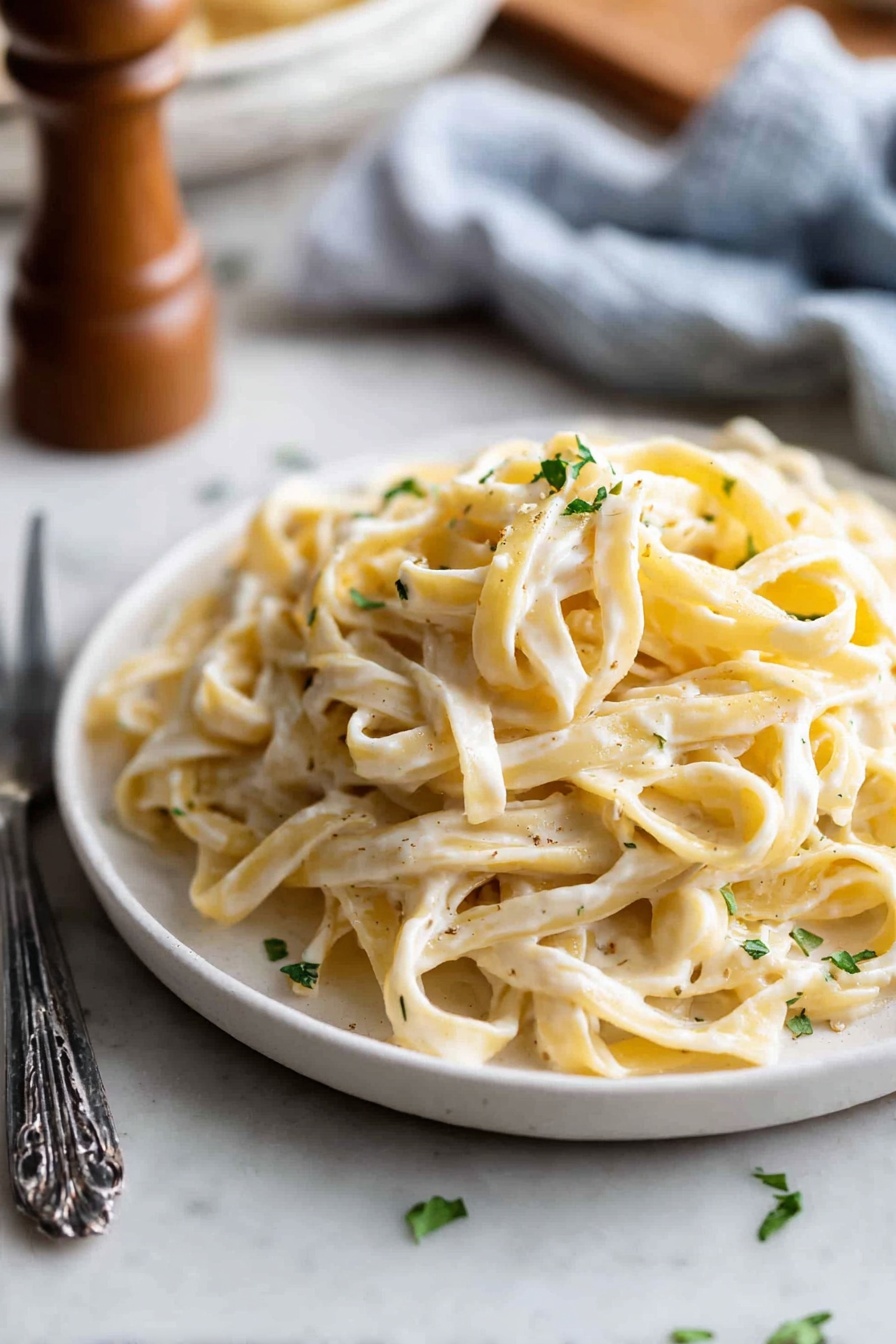
I usually finish with a generous sprinkle of freshly grated Parmigiano Reggiano and a handful of chopped fresh parsley. The parsley brightens the dish with a little herbal freshness and adds a lovely pop of color, making the plate look restaurant-worthy. Sometimes I toss in cracked black pepper for a touch of bite.
Side Dishes
My go-to sides are simple but fresh: a crisp green salad with a light vinaigrette cuts through the richness perfectly, and some garlic bread or a crusty baguette lets you soak up any leftover sauce. Roasted or steamed veggies—like broccoli or asparagus—also pair beautifully here.
Creative Ways to Present
For special occasions, I like to twirl the fettuccine into elegant nests on the plate and sprinkle with microgreens or edible flowers. Using small individual pans or rustic, shallow bowls also gives it that cozy, elevated feel, making guests feel like they’re dining in Italy.
Make Ahead and Storage
Storing Leftovers
After making this Creamy Fettuccine Alfredo Recipe, you can store leftovers in an airtight container in the fridge for up to 2 days. The sauce thickens as it cools, so it won’t look as glossy, but don’t worry—that’s totally normal.
Freezing
I generally don’t freeze Alfredo sauce because the cream can separate and the texture suffers. If you do want to freeze leftovers, freeze the pasta and sauce separately if possible, but fresh is always best for this kind of creamy pasta.
Reheating
When reheating, do it gently on the stovetop with a splash of milk or reserved pasta water to loosen the sauce. Microwave works in a pinch, but go low power and stir frequently to avoid curdling. This trick helps bring back the sauce’s creamy texture without drying it out.
FAQs
-
Can I use parmesan cheese instead of Parmigiano Reggiano in this recipe?
Yes, you can substitute parmesan cheese if you can’t find Parmigiano Reggiano. Just keep in mind that Parmigiano Reggiano has a more complex, nutty flavor and melts more smoothly, which really elevates the sauce. If you do use parmesan, try to find a high-quality one and grate it fresh for the best results.
-
What’s the best way to prevent a grainy Alfredo sauce?
Graininess usually comes from adding cheese on high heat or using pre-grated cheese that contains anti-caking agents. To prevent this, always add freshly grated cheese off the heat and stir gently until it melts. Also, make sure your cream isn’t boiling vigorously during the cheese step.
-
Can I make Alfredo sauce ahead of time?
It’s best to prepare the Alfredo sauce just before serving because it’s all about that fresh emulsification and silky texture. If you make it too far in advance, the sauce can separate or thicken too much. However, you can prep ingredients like grated cheese and minced shallots ahead of time to save minutes when cooking.
Final Thoughts
I absolutely love how this Creamy Fettuccine Alfredo Recipe comes together—it’s comfort food that feels both special and doable any night of the week. Once you get the hang of that saucy emulsification trick, you’ll find making Alfredo less intimidating and more fun than ever. Give it a try next time you want cozy, creamy pasta that wows without a ton of fuss. I promise, you’ll be returning to this recipe again and again.
Print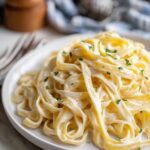
Creamy Fettuccine Alfredo Recipe
- Prep Time: 5 minutes
- Cook Time: 13 minutes
- Total Time: 18 minutes
- Yield: 3 servings
- Category: Main Course
- Method: Stovetop
- Cuisine: Italian
Description
Classic Fettuccine Alfredo features perfectly cooked fettuccine pasta tossed in a rich and creamy sauce made from butter, heavy cream, and freshly grated Parmigiano Reggiano cheese. This simple yet indulgent Italian favorite is finished with a touch of black pepper and optional fresh parsley, delivering a silky smooth dish that’s quick to prepare and irresistibly delicious.
Ingredients
Pasta
- 8 oz / 250g dried fettuccine
Sauce
- 3 tbsp unsalted butter
- 1 small shallot, very finely minced (eschallot in Australia)
- 1/2 cup heavy cream
- 3/4 cup freshly grated Parmigiano Reggiano or Parmesan
- 1/4 tsp salt
- Good grind of black pepper
Garnish
- Fresh parsley (optional)
- Extra Parmigiano Reggiano
Instructions
- Cook Pasta: Bring a large pot of salted water to a boil. Add the fettuccine and cook until al dente, about 1 minute less than the package recommends (approximately 11 minutes if the package says 12 minutes), ensuring the pasta remains firm but cooked through.
- Melt Butter: While the pasta cooks, melt the butter in a deep fry pan over medium-high heat to prepare for the sauce base.
- Sauté Shallots: Add the minced shallots to the melted butter and sauté for 2 minutes or until they become tender, releasing their sweet and delicate flavor.
- Add Cream and Simmer: Pour in the heavy cream and bring the mixture to a boil. Then reduce the heat to medium-low and let it simmer gently for 3 minutes to thicken slightly.
- Incorporate Cheese and Seasoning: Remove the pan from the heat and stir in the freshly grated Parmigiano Reggiano, salt, and black pepper until the sauce is smooth and creamy.
- Reserve Pasta Water and Drain Pasta: Before draining, scoop out 1/4 cup of the pasta cooking water plus an extra mugful just in case. Then drain the pasta using a colander.
- Toss Pasta with Sauce: Transfer the drained pasta and the reserved 1/4 cup pasta water to the pan with the sauce. Return the pan to medium-high heat and gently toss the pasta to coat evenly, allowing the sauce to emulsify and cling to the noodles for about 1 minute. If the sauce thickens too much, add a small amount of the extra reserved pasta water to restore silkiness.
- Serve: Remove from heat and immediately plate the pasta. Garnish with extra Parmigiano Reggiano and fresh parsley if desired for added flavor and color. Serve warm.
Notes
- Shallots in America are called Eschallots in Australia and have a stronger, sweeter flavor than regular onions. You may substitute with 1/4 cup finely minced brown or white onion if needed.
- Light cream can be used instead of heavy cream for a lighter sauce, though the texture and richness will differ.
- Parmigiano Reggiano has a deeper, nuttier, and more complex flavor compared to generic parmesan and is highly recommended for optimal taste.
- Ensure the Parmigiano Reggiano is freshly and finely grated to avoid a grainy sauce; pre-grated cheese usually results in a less smooth texture.
- Cooking pasta until just al dente is crucial as it will continue to cook slightly when tossed with the sauce, preventing overcooking.
- A deep fry pan or a very large pot is preferred to toss the pasta with the sauce, allowing the starch and fat to emulsify and create a glossy, rich coating.
- If the sauce becomes too thick or gluey, adding a small amount of reserved pasta water helps loosen the sauce back to a silky consistency.
- The nutrition information is calculated based on 3 servings.
Nutrition
- Serving Size: 1 serving (approx. 150g cooked pasta with sauce)
- Calories: 520 kcal
- Sugar: 2 g
- Sodium: 420 mg
- Fat: 30 g
- Saturated Fat: 18 g
- Unsaturated Fat: 10 g
- Trans Fat: 0 g
- Carbohydrates: 45 g
- Fiber: 2 g
- Protein: 18 g
- Cholesterol: 95 mg