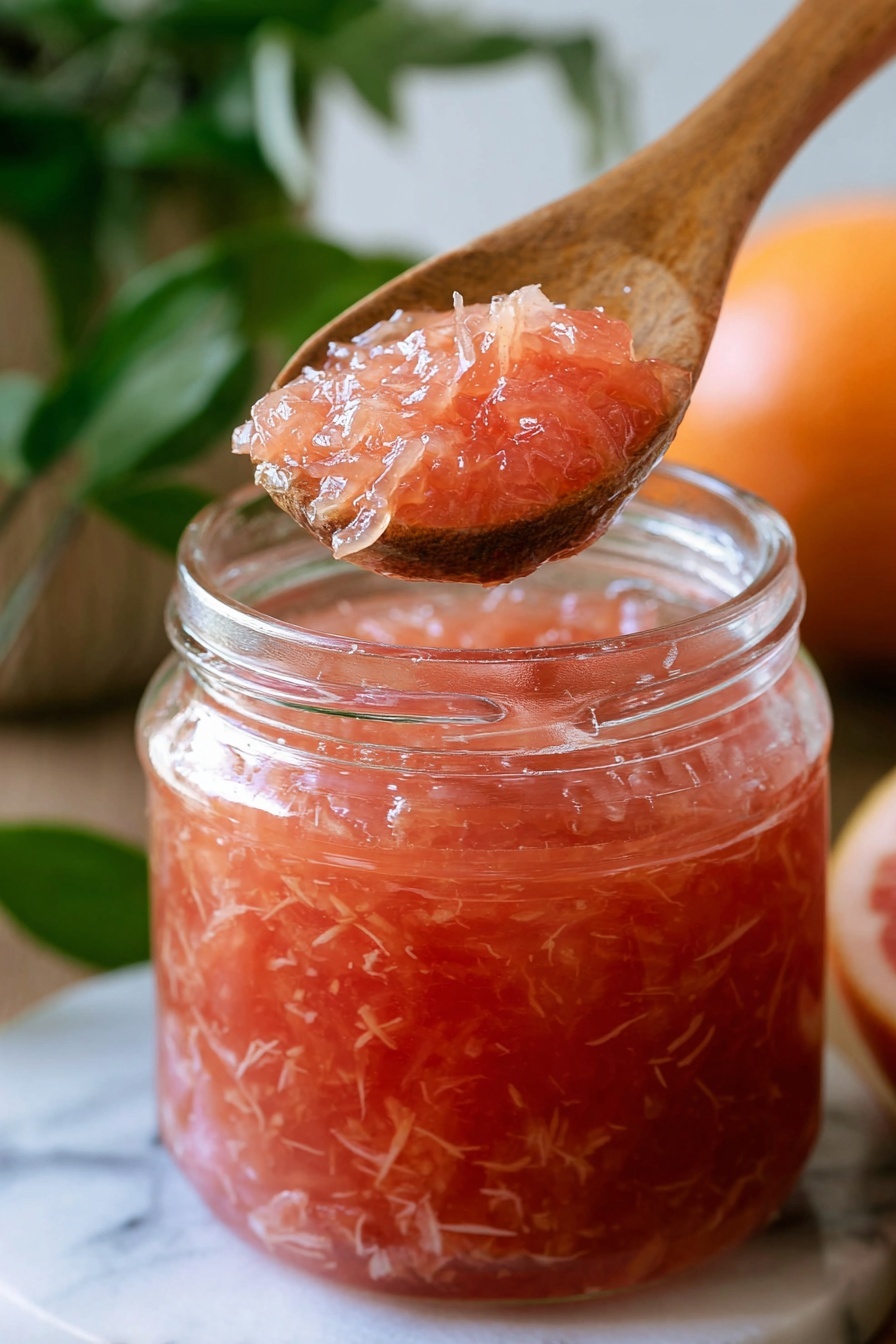
If you’re looking for a unique and delightful way to brighten up your tea, toast, or even cocktails, then you absolutely need to try my Grapefruit Honey Cheong Recipe. It’s this lovely Korean-style syrup that combines the tartness of grapefruit with the natural sweetness of honey and sugar. I promise you, once you make it, you’ll find yourself adding it to everything—even my family goes crazy for it! Stick with me, and I’ll walk you through all the little tips to make it turn out perfect every time.
Why You’ll Love This Recipe
- Bright, Balanced Flavor: The grapefruit’s natural tang blends beautifully with honey’s warmth for a syrup that’s both sweet and refreshingly tart.
- Simple Ingredients: You don’t need anything fancy – just a few pantry staples and fresh grapefruit to get started.
- Versatile Use: Drizzle it on yogurt, mix it in tea, or jazz up cocktails – it’s flexible and fabulously tasty.
- Easy to Make Ahead: Prepare it in 30 minutes, then let it age for a week in the fridge to develop amazing flavors.

Ingredients You’ll Need
The best part about this Grapefruit Honey Cheong Recipe is how straightforward it is, yet the ingredients work together like magic. Choose ripe, juicy grapefruits for the best taste and a good balance of tart and sweet.
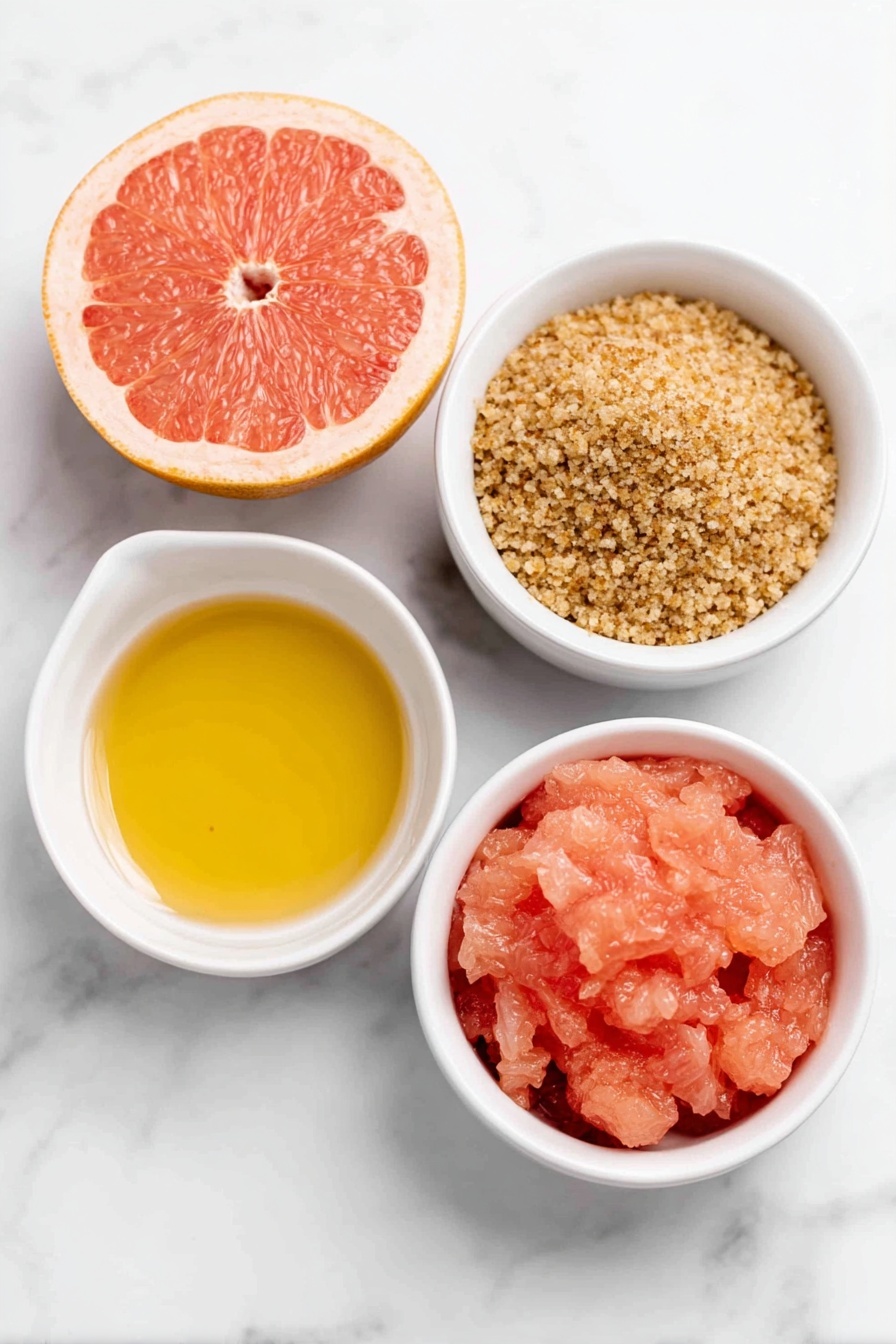
- Grapefruits: Pick fresh and firm grapefruits, preferably organic if you can, so you don’t have to worry about pesticide residue since you’ll peel and use the pulp.
- Honey: A local or raw honey adds character and depth; I love how it complements the tartness of the grapefruit perfectly.
- Turbinado Sugar: This is my secret upgrade over plain white sugar because it adds a subtle caramel note, but if you only have white sugar, it works just fine.
Variations
I love how versatile this Grapefruit Honey Cheong Recipe is. Over time, I’ve played around with tweaks depending on the season or what’s in my pantry. Feel free to experiment and make it your own!
- Use Only Honey or Sugar: If you prefer a more straightforward sweetness, try making this cheong with just honey or just sugar; I usually split it half and half to get the best of both worlds.
- Add Other Citrus: Pardon my indulgence, but sometimes I add some orange or lemon zest for a citrus medley that brightens the syrup even more.
- Make It Spiced: On chillier days, I toss in a cinnamon stick or a few cloves while mixing to give some cozy spice notes to the cheong.
- Adjust Sweetness Level: I recommend a 1:1 ratio of grapefruit to sweetener, but you can dial it back or ramp it up based on your taste buds.
How to Make Grapefruit Honey Cheong Recipe
Step 1: Prep Your Grapefruit Carefully
This part is where patience pays off. Peel your grapefruits and take off as much of the white pith as you can — it’s key to avoiding bitterness later on. Then, peel away the thin membrane around each segment’s pulp and remove any seeds you encounter. It’s a bit tedious at first, but I swear, it’s worth the effort for the cleanest, freshest flavor.
Step 2: Mix and Break Up the Pulp
Once you have your prepared pulp, add the honey and turbinado sugar right on top. Here’s a trick I discovered: use your hands (wear gloves if you want to keep things tidier) to gently break apart the pulp and squeeze out the juice at the same time. This speeds things up and ensures all those flavorful juices meld with the sweeteners perfectly.
Step 3: Store and Let It Age
Transfer your mixture into a sanitized, airtight glass jar. I like to store mine in the fridge for at least one week before diving in because that rest time lets the flavors develop and mellow beautifully. Of course, if you’re impatient like me, you can use it right away; it’ll still taste great. Just note that it will keep well refrigerated for up to 3 months.
Pro Tips for Making Grapefruit Honey Cheong Recipe
- Peeling Patience: Removing the white pith completely is crucial; it keeps your cheong from turning bitter, so don’t rush this step.
- Hand Mix Magic: Using your hands to break the pulp not only speeds up juicing but helps evenly blend the sugar and honey into every bit of fruit.
- Sanitize Your Jar: Always clean and sterilize your glass container to prevent unwanted fermentation or spoilage while storing.
- Taste as You Go: If you want it sweeter, add more honey; for more tang, don’t add extra sugar—balance according to your palate.
How to Serve Grapefruit Honey Cheong Recipe
Garnishes
I often love garnishing drinks or dishes with thin grapefruit slices or a sprig of fresh mint because it adds a fresh pop of color and aroma. Sometimes I even toss in a tiny bit of grapefruit zest to really turn up the citrus vibe.
Side Dishes
Pair this cheong with creamy yogurt, drizzle it over pancakes or waffles, or serve alongside cheese boards—the bright acidity complements rich flavors wonderfully. It’s also fantastic stirred into sparkling water for a light, refreshing drink!
Creative Ways to Present
For special occasions, I’ve served this grapefruit honey cheong in small glass jars with handwritten labels as gifts—they’re instant conversation starters! You can also layer the cheong in parfaits with granola and fresh fruit, or mix it into cocktails for a unique twist.
Make Ahead and Storage
Storing Leftovers
I keep leftover cheong refrigerated in a tightly sealed glass jar. It stays fresh and flavorful for up to 3 months, but honestly, it rarely lasts that long in my kitchen. Just make sure to always use clean utensils to avoid contamination.
Freezing
I haven’t tried freezing grapefruit honey cheong often because its texture thickens nicely when chilled, but if you want to freeze it, use an airtight container and thaw overnight in the fridge. Just know that the texture might change slightly, but flavor remains mostly intact.
Reheating
Usually, this cheong is served cold or at room temperature, so reheating isn’t necessary. However, if you want to warm it slightly for tea or cooking, do so gently over low heat to avoid losing those delicate honey aromas.
FAQs
-
Can I use other citrus fruits besides grapefruit in this recipe?
Absolutely! While this recipe specifically highlights grapefruit’s unique balance of tart and bitter, you can absolutely make a similar cheong with lemons, oranges, or even yuzu. Just keep in mind that the flavor profile will shift depending on the fruit’s sweetness and acidity.
-
Do I have to peel all the white pith off the grapefruit?
It’s highly recommended to remove as much pith as possible since it’s very bitter and can overpower your syrup. Taking the time here really pays off in a smoother, more pleasant taste.
-
How long can I keep grapefruit honey cheong in the fridge?
If stored properly in a sanitized airtight container, it stays fresh for up to 3 months. Always use clean utensils to scoop some out to avoid spoilage.
-
Is there a substitute for turbinado sugar?
Yes! If you don’t have turbinado sugar on hand, regular white granulated sugar will work just fine. The difference is that turbinado adds a subtle molasses flavor, which I personally prefer for richer depth.
Final Thoughts
I absolutely love how this Grapefruit Honey Cheong Recipe turns out every time. It’s become a staple in my kitchen—not just for its delicious flavor, but because it adds a little sunshine to any meal or drink. I remember the first time I made it; I was so amazed at how such simple ingredients could create something that felt so luxurious and fresh. I really hope you give it a try and experience that joy yourself. Trust me, once you start making this cheong, you’ll find yourself coming up with all kinds of creative ways to enjoy it!
Print
Grapefruit Honey Cheong Recipe
- Prep Time: 30 minutes
- Cook Time: 0 minutes
- Total Time: 30 minutes
- Yield: About 2 lbs (32 oz jar) of grapefruit honey cheong
- Category: Condiment
- Method: No-Cook
- Cuisine: Korean
- Diet: Halal
Description
Grapefruit Honey Cheong is a sweet and tangy Korean-style syrup made from fresh grapefruits, honey, and turbinado sugar. This naturally fragrant and flavorful syrup is perfect for adding a citrusy sweetness to beverages, dressings, or desserts. Prepared by carefully peeling and breaking down the grapefruit pulp and combining it with a balanced mix of honey and sugar, this homemade syrup offers a delightful and versatile ingredient that can be stored refrigerated for up to three months.
Ingredients
Ingredients
- 2 grapefruits
- 1/2 lb honey
- 1/2 lb turbinado sugar (or white sugar, turbinado recommended for better flavor)
Instructions
- Peel the Grapefruits: Carefully peel the grapefruits, removing as much of the white pith as possible to avoid bitterness.
- Remove Membranes and Seeds: Peel off the skin and membrane surrounding the pulp pieces and take out any seeds to ensure a smooth texture.
- Add Sweeteners: Combine the peeled grapefruit pulp with honey and turbinado sugar. You may opt to use only honey or sugar, but the total sweetener should equal the grapefruit weight (1:1 ratio). A recommended balance is half honey and half turbinado sugar.
- Mix and Break Apart Pulp: Mix all ingredients thoroughly and break up the pulp as much as possible. Wearing gloves, use your hands to squeeze and extract juice from the pulp for faster incorporation and enhanced flavor release.
- Store the Cheong: Transfer the mixture into a sanitized, airtight glass container. Refrigerate and ideally let it sit for 1 week before using to maximize flavor. It can be used immediately if needed.
- Storage Duration: Keep refrigerated; the grapefruit honey cheong will stay fresh and flavorful for up to 3 months.
Notes
- You can adjust the ratio of honey to sugar to fit your preferred sweetness and flavor profile.
- Using turbinado sugar adds a richer, more complex flavor than white sugar.
- Wear gloves when mixing and breaking apart the pulp to protect your hands from the acidity and for hygiene.
- Storing in a sanitized glass jar ensures longer shelf life and prevents contamination.
- Although best after a week of refrigeration, the syrup can be used immediately if needed.
Nutrition
- Serving Size: 2 tablespoons (30g)
- Calories: 90
- Sugar: 22g
- Sodium: 2mg
- Fat: 0g
- Saturated Fat: 0g
- Unsaturated Fat: 0g
- Trans Fat: 0g
- Carbohydrates: 24g
- Fiber: 1g
- Protein: 0g
- Cholesterol: 0mg