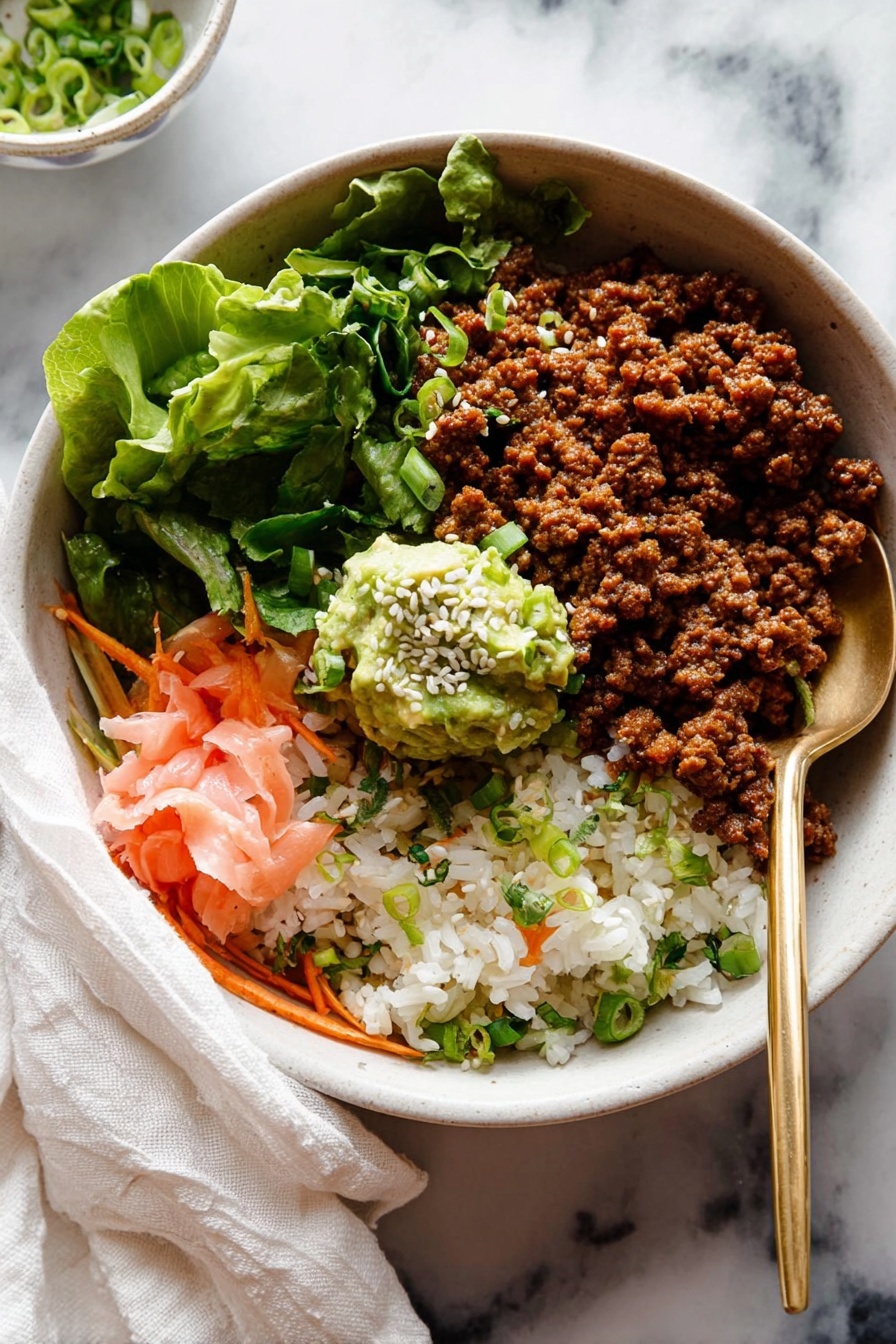
If you’re craving a dish that’s packed with flavor, easy to make, and just downright addictive, then you’re going to want to try my Korean Beef Bulgogi Rice Bowls Recipe. This recipe takes the classic bulgogi flavors and simplifies them into a quick, weeknight-friendly meal that still feels special. Trust me, once you make this, your family and friends will be begging you to make it again.
Why You’ll Love This Recipe
- Speedy and Simple: It takes just about 25 minutes from start to finish, perfect for busy evenings.
- Flavor-Packed: The combination of grated apple, onion, and garlic brings a depth that elevates ground beef like never before.
- Customizable Bowls: You get to add all your favorite fresh veggies and toppings, making it as healthy and colorful as you like.
- Family-Friendly: My family absolutely goes crazy for this, and it’s easy to scale up or down.

Ingredients You’ll Need
The magic of this Korean Beef Bulgogi Rice Bowls Recipe really starts with its ingredients. Each component works to build that authentic bulgogi flavor while keeping things simple and fresh. When shopping, look for fresh garlic and ginger, and don’t skip the apple—it’s a secret ingredient that truly makes a difference.
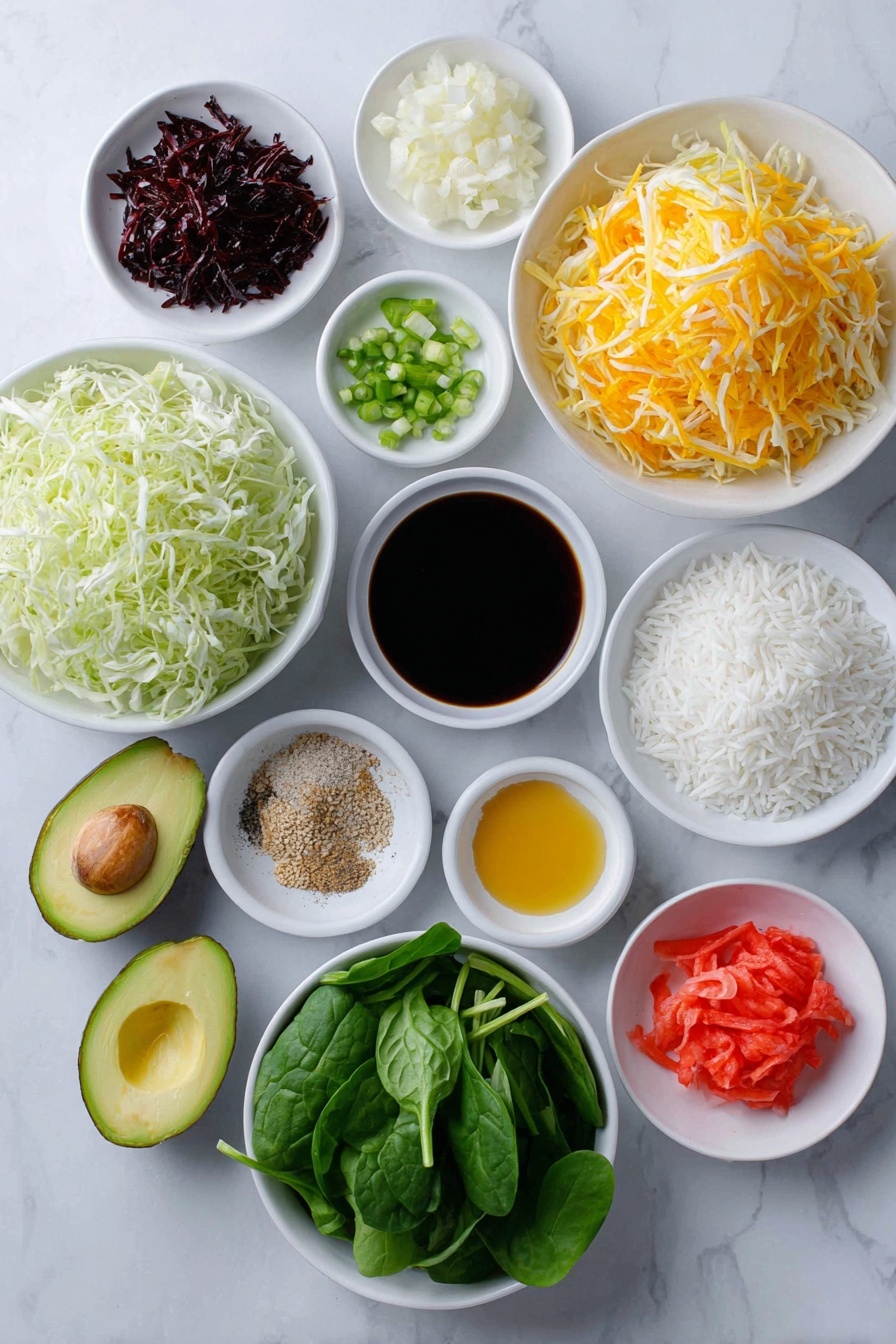
- Beef mince (ground beef): I prefer 80/20 fat content for juiciness but pick what you like.
- Canola oil: Or any neutral oil for cooking, something light to not overpower.
- Onion: Finely grated, not chopped, for that subtle sweetness and flavor.
- Red apple: Skin on is fine—just grate it to add natural sweetness and tenderize the meat.
- Garlic cloves: Fresh and finely grated for that punch of garlicky goodness.
- Ginger: Also finely grated, fresh if possible, to brighten up the flavor.
- Soy sauce: Light or all-purpose; tamari if you want gluten-free. Avoid dark soy here.
- Sesame oil: Adds nutty aroma and that essential Korean touch.
- Mirin: A sweet rice wine; if you don’t have it, you can substitute or skip.
- Brown sugar: To balance the savory and deepen the flavor.
- Black pepper: Just a pinch to add warmth.
- Rice vinegar: Or apple cider vinegar for the drizzle sauce to add brightness.
- White rice: Medium or short grain works best for that sticky texture.
- Baby spinach: Will be wilted to add freshness and color.
- Carrot: Julienned or grated for a bit of crunch and sweetness.
- Avocado: Mashed, creamy, and balances the savory beef perfectly.
- Pickled ginger: Pink ones look pretty and add a zingy contrast.
- Baby cos/romaine lettuce: Torn pieces add crunch and freshness.
- White sesame seeds: For that toasty finish.
- Green onion: Finely sliced to sprinkle over the top.
Variations
I love how flexible this Korean Beef Bulgogi Rice Bowls Recipe is—you can really make it your own depending on what you have on hand or your mood. Don’t hesitate to experiment with veggies or spice it up if you like heat!
- Spicy Kick: I often add some gochujang or chili flakes into the bulgogi sauce when I want a bit more heat, and it’s fantastic for spice lovers.
- Vegetarian-Friendly: Swap beef mince for finely chopped mushrooms or plant-based ground alternatives for a meatless twist.
- Different Greens: Sometimes I mix in kale or shredded cabbage with the spinach to add varying textures and nutrition.
- Quick Pickles: Adding quick-pickled cucumber slices gives a refreshing crunch that cuts through the richness.
How to Make Korean Beef Bulgogi Rice Bowls Recipe
Step 1: Mix Up Your Bulgogi and Drizzle Sauces
This first step is where the flavor foundation gets laid. Grab two small bowls. In one, combine the grated onion, grated apple, garlic, ginger, soy sauce, sesame oil, mirin, brown sugar, and black pepper for the bulgogi sauce. In the other, mix soy sauce, sesame oil, brown sugar, and rice vinegar for the drizzle sauce you’ll pour over the finished bowls. I love prepping these ahead as it lets all those vibrant flavors meld together.
Step 2: Wilt the Baby Spinach
Heat 2 teaspoons of canola oil in a large non-stick pan on high heat. Add half the spinach and toss it around with tongs until just starting to wilt (about 30 seconds). Then add the other half, tossing until all the spinach is wilted but still bright green—this usually takes about a minute more. Remove the spinach into a bowl and set aside. Trust me, this step is key; it keeps the spinach vibrant and tender without turning mushy.
Step 3: Cook the Bulgogi Beef
Add 1 tablespoon of oil to the pan and raise the heat to high again. Toss in the beef mince, breaking it up with your spatula as it cooks. Once the raw pink is gone (no more red spots), add your bulgogi sauce. Let it simmer vigorously, stirring occasionally, until the sauce thickens and mostly evaporates. Then keep stirring regularly so the beef caramelizes nicely without drying out—this is where the magic happens, the caramelization adds a rich, savory depth that you’ll love.
Step 4: Assemble Your Rice Bowls
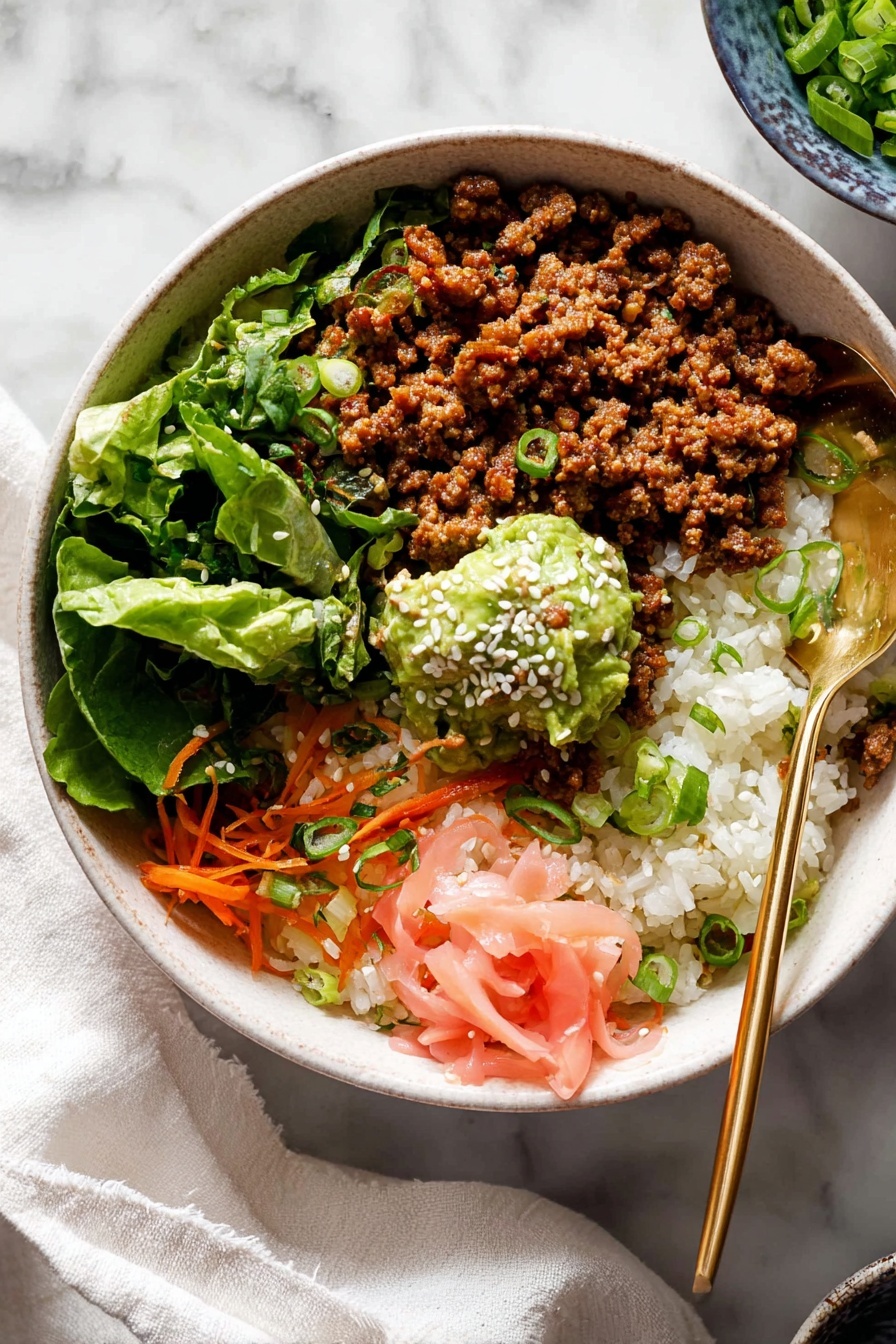
Start with a base of steamed white rice in your bowls. Spoon a generous amount of the bulgogi beef over the rice. Arrange the wilted spinach and julienned carrot on the side. Add a few slices of pickled ginger for zing, then top with a dollop of mashed avocado for creaminess. Tuck torn romaine lettuce along one edge, sprinkle with white sesame seeds and sliced green onion, and finally drizzle your rice bowl sauce all over. Now you’re ready to mix everything together and dig in—delicious!
Pro Tips for Making Korean Beef Bulgogi Rice Bowls Recipe
- Grate Your Apple and Onion: I discovered this trick after many bland batches—the fine grating amps up natural sweetness and flavor depth so much more than dicing.
- Sear the Beef on High Heat: Cooking the beef quickly and on high heat helps caramelize the meat, giving it that delicious crust that makes this recipe shine.
- Don’t Overcook the Spinach: I usually watch the spinach carefully to keep it wilted but not soggy; it balances textures beautifully in the bowl.
- Serve With Fresh Toppings: Adding the crisp lettuce and fresh green onion at the end gives every bite a nice contrast and vibrant color.
How to Serve Korean Beef Bulgogi Rice Bowls Recipe
Garnishes
I always top my bowls with a sprinkling of white sesame seeds and freshly sliced green onions. They add a nutty crunch and a fresh bite that brightens up every bite. Don’t skip the pickled ginger—its tanginess cuts through the richness beautifully and adds that authentic pop of color that makes the bowl so appealing.
Side Dishes
For a full Korean-inspired meal, I love pairing this bulgogi bowl with some simple kimchi or a quick cucumber salad tossed in sesame oil and rice vinegar. A miso soup or steamed edamame on the side rounds it out nicely, too. These sides keep things light and fresh but still pack that punch of umami we all adore.
Creative Ways to Present
Once, for a casual dinner party, I served the beef bulgogi in mini stone bowls with all the toppings artistically arranged like a poke bowl. It felt fancy but was easy to serve buffet-style so everyone could build their own. Another time, I rolled the beef and veggies into crisp lettuce leaves for a fun, handheld version—such a hit with kids and adults alike!
Make Ahead and Storage
Storing Leftovers
I usually store leftover bulgogi beef in an airtight container in the fridge for up to 3 days. I find that it’s best kept separate from the rice and fresh toppings to maintain texture and freshness. When you’re ready to eat, just reheat the beef gently and assemble fresh bowls for the best taste.
Freezing
This bulgogi beef freezes well—perfect for meal prep. I freeze it in portioned containers or freezer bags and it keeps nicely for up to 3 months. Just thaw in the fridge overnight before reheating. The sauce holds up really well and keeps the meat moist and flavorful.
Reheating
When reheating leftovers, I add a splash of water to the beef and warm it gently in a pan over medium heat. This prevents the meat from drying out and helps reactivate the sauce’s delicious, sticky glaze. I find avoiding the microwave for this part keeps texture and flavor at their best.
FAQs
-
Can I use other cuts of beef instead of ground beef?
Absolutely! Traditional bulgogi often uses thinly sliced ribeye or sirloin, which you can marinate with the same sauce. However, ground beef makes this recipe fast and accessible without sacrificing flavor. If you prefer slices, allow more marinating time for the best results.
-
Is there a vegetarian version of this Korean Beef Bulgogi Rice Bowls Recipe?
Yes! You can swap the beef for plant-based ground meat, crumbled tofu, or finely chopped mushrooms. Use the same bulgogi sauce to keep that classic taste. Just cook your substitute ingredient as you would the beef for a delicious vegetarian bowl.
-
What’s the role of the grated apple in the bulgogi sauce?
The grated apple adds a natural sweetness and tenderizes the meat slightly. It also deepens the flavor, giving the bulgogi a beautifully balanced taste that sugar alone can’t replicate. It’s a hallmark of authentic bulgogi recipes and one of my favorite tricks.
-
Can I make this recipe gluten-free?
Definitely! Simply use tamari or another gluten-free soy sauce substitute in place of regular soy sauce. Make sure to check your mirin or use a gluten-free alternative or omit it if needed. The flavors will still come through beautifully.
-
How do I store leftover assembled bowls?
I recommend storing components separately—keep the beef, rice, and fresh veggies in different containers. This way, your lettuce and avocado won’t get soggy, and each part stays fresh. Assemble just before eating for the best texture.
Final Thoughts
I absolutely love how this Korean Beef Bulgogi Rice Bowls Recipe turns out every single time. It’s a perfect mix of sweet, savory, and fresh, hitting all those crave-worthy notes that make dinner feel exciting but never complicated. Whether it’s a family dinner or just feeding yourself after a long day, this recipe makes you feel like you’re indulging in something special but without the fuss. Give it a go—you’ll find it becomes one of your go-to weeknight meals, I promise!
Print
Korean Beef Bulgogi Rice Bowls Recipe
- Prep Time: 15 minutes
- Cook Time: 10 minutes
- Total Time: 25 minutes
- Yield: 4–5 servings
- Category: Main Dish
- Method: Stovetop
- Cuisine: Korean
Description
Korean Beef Bulgogi Rice Bowls combine savory, sweet, and umami flavors from a homemade bulgogi sauce with tender ground beef, served over fluffy white rice and topped with fresh vegetables like wilted spinach, julienned carrot, and creamy mashed avocado. This easy, quick recipe captures the essence of traditional Korean bulgogi in a convenient rice bowl format perfect for weeknight dinners.
Ingredients
Beef and Oil
- 500g / 1 lb beef mince (ground beef), any fat % you like
- 1 tbsp canola oil, or any other plain flavored oil
- 2 tsp canola oil (to wilt baby spinach)
Bulgogi Sauce
- 1 tbsp onion, finely grated (~1/4 onion)
- 3 tbsp red apple, finely grated (skin on is fine, ~1/2 apple)
- 3 garlic cloves, finely grated
- 1 tsp ginger, finely grated
- 2 1/2 tbsp soy sauce – all-purpose or light
- 1 tbsp sesame oil
- 1 tbsp mirin (omit for no alcohol)
- 1 tbsp brown sugar
- 1/8 tsp black pepper
Rice Bowl Drizzle Sauce
- 2 tbsp soy sauce – all-purpose or light
- 1 tbsp sesame oil
- 2 tsp brown sugar
- 2 tsp rice vinegar (or apple cider vinegar)
Rice Bowl Components
- White rice (medium or short grain, if you can)
- 4 large handfuls baby spinach (or similar chopped leafy greens – cabbage, kale)
- 1 large carrot, peeled and julienned or grated
- 1 avocado, mashed
- 1/4 cup pickled ginger (preferably pink for color)
- 1 1/2 cups baby cos / romaine lettuce, torn into bite size pieces
- 1 tsp white sesame seeds
- 1 green onion, finely sliced
Instructions
- Prepare Sauces: In one bowl, combine all ingredients for the Bulgogi sauce (grated onion, grated apple, garlic, ginger, soy sauce, sesame oil, mirin, brown sugar, and black pepper). In a separate bowl, mix the rice bowl drizzle sauce (soy sauce, sesame oil, brown sugar, and rice vinegar). Set both aside.
- Wilt Spinach: Heat 2 teaspoons of canola oil in a large non-stick pan over high heat. Add half of the baby spinach and toss with tongs until semi-wilted, about 30 seconds. Add the remaining spinach and continue tossing until fully wilted, about 1 minute. Remove the spinach to a bowl and set aside.
- Cook Bulgogi Beef: Add 1 tablespoon of oil to the same pan and keep it on high heat. Add the ground beef and cook, breaking it apart continuously until it is no longer pink. Pour in the prepared Bulgogi sauce and simmer rapidly, stirring occasionally, until most of the sauce has evaporated. Continue stirring regularly so the beef caramelizes slightly while remaining moist and flavorful.
- Assemble Rice Bowls: Spoon cooked white rice into bowls. Arrange the cooked beef on top, then add the wilted spinach and julienned carrot. Add a dollop of mashed avocado and place pickled ginger alongside. Tuck torn lettuce down the side. Sprinkle with white sesame seeds and sliced green onion. Serve the rice bowl drizzle sauce separately for adding before eating.
Notes
- Grate onion and apple finely for maximum flavor impact; grated apple adds natural sweetness and tenderizes the beef.
- You can substitute tamari for soy sauce if gluten free, but avoid dark soy or sweetened soy sauces as they overpower the dish.
- Mirin can be substituted with Chinese cooking wine or sake plus 1/2 tsp brown sugar, or omitted for no alcohol.
- Leftover cooked beef keeps up to 3 days in the fridge or 3 months frozen; add a splash of water when reheating if needed.
- Use medium or short grain rice for the best texture in rice bowls.
Nutrition
- Serving Size: 1 bowl (approximate)
- Calories: 520
- Sugar: 9g
- Sodium: 760mg
- Fat: 25g
- Saturated Fat: 6g
- Unsaturated Fat: 17g
- Trans Fat: 0g
- Carbohydrates: 50g
- Fiber: 5g
- Protein: 30g
- Cholesterol: 70mg