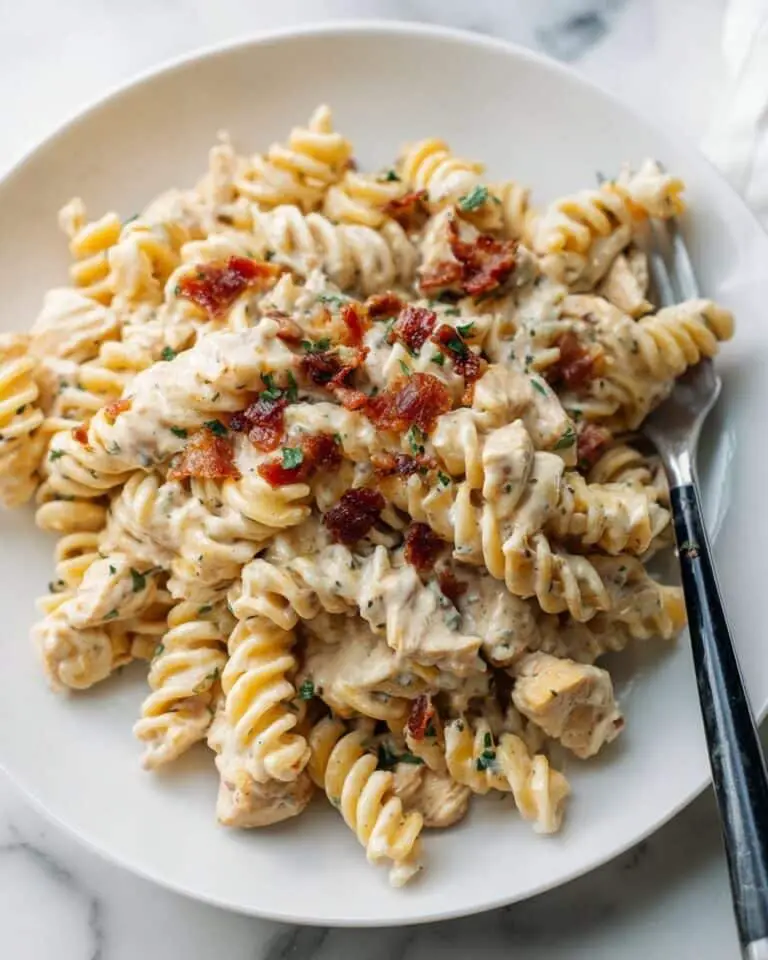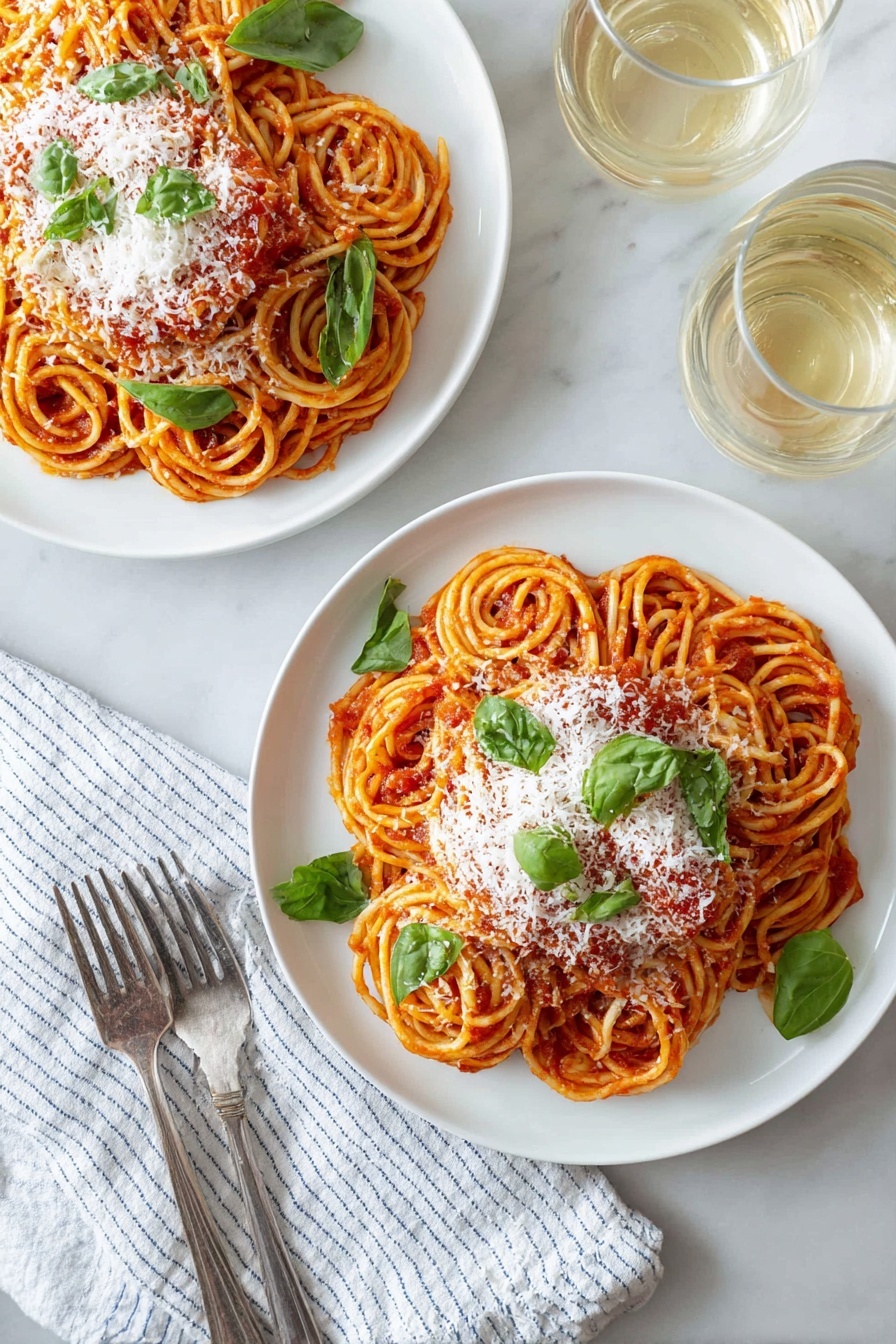
If you’ve ever dreamed of capturing the essence of Italy in a simple, comforting dish, then you’re going to absolutely love this Simple Pasta Pomodoro with Fresh Basil Recipe. I remember the first time I made it—it was like a little burst of sunshine on my dinner plate. The bright, fresh flavors of tomatoes and basil, combined with the ease of making it, make this recipe a total kitchen winner. Stick with me and I’ll walk you through how to nail it every single time.
Why You’ll Love This Recipe
- Authentic Italian Flavors: The fresh basil and real olive oil make this sauce sing with traditional taste.
- Ease & Simplicity: With just a handful of ingredients and straightforward steps, it’s perfect for weeknight dinners.
- Versatility: Whether you want it silky smooth or a bit chunky, there’s room to customize.
- Crowd-Pleaser: I’ve tried this with friends and family and everyone keeps coming back for seconds.

Ingredients You’ll Need
These ingredients work beautifully together to create a balanced, fresh, and flavorful pomodoro sauce. When shopping, prioritize quality; a good extra virgin olive oil and fresh basil really elevate the dish.
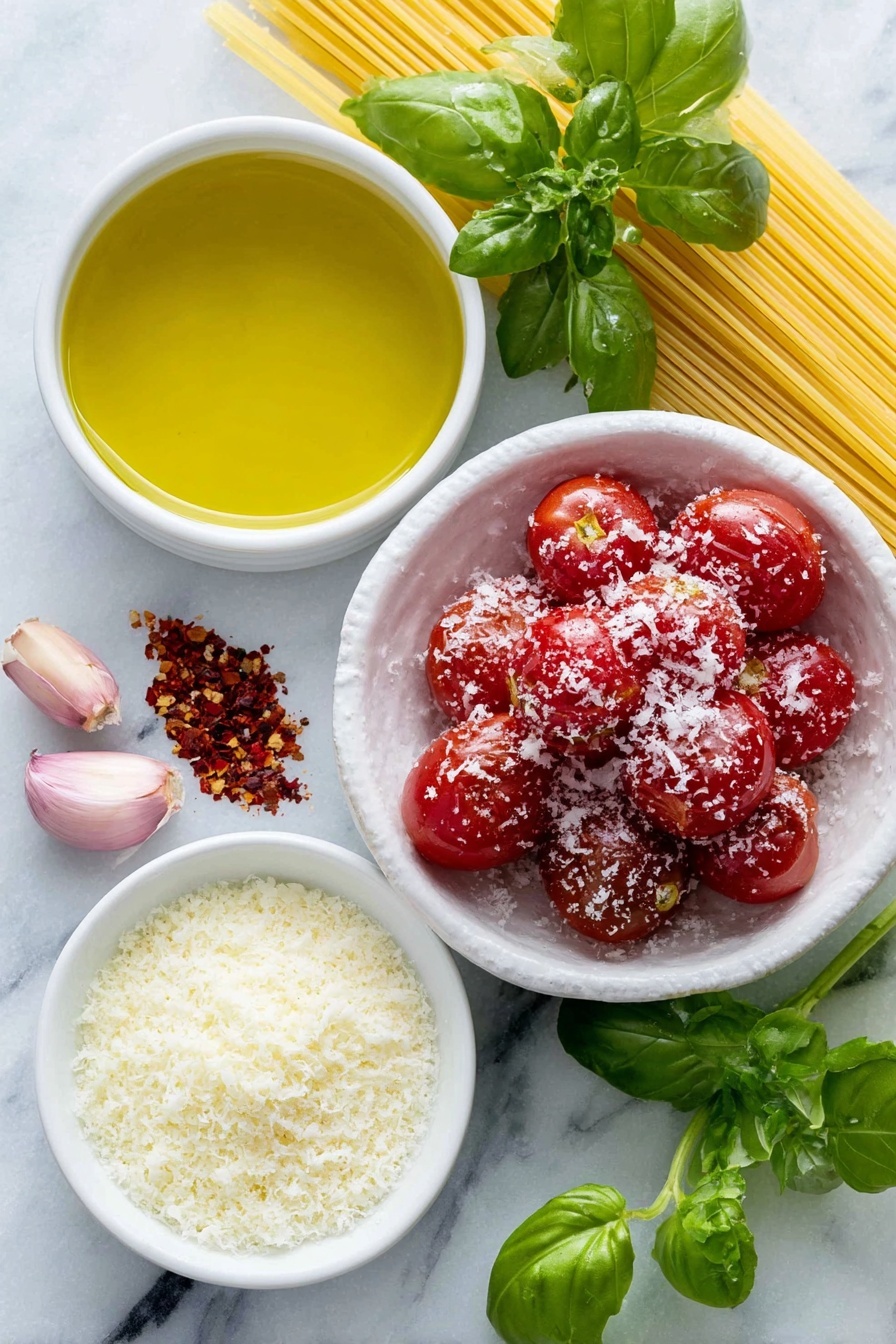
- Extra virgin olive oil: Choose a fruity, robust variety for that rich mouthfeel and flavor.
- Garlic clove: Fresh and firm, it releases its magic when gently warmed.
- Red pepper flakes (optional): Just a pinch adds a subtle warmth without overwhelming the sauce.
- Whole peeled tomatoes: I love canned San Marzano or similar ripe tomatoes for natural sweetness.
- Kosher salt: Enhances every other flavor without being overpowering.
- Basil branch plus extra leaves: Fresh basil is absolutely indispensable for that herbaceous pop.
- Spaghetti or pasta of choice: Pick your favorite kind—thick, thin, gluten-free—it all works.
- Freshly grated Parmesan cheese (optional): Adds a nutty, salty finishing touch, if you’re into it.
Variations
I often tweak this Simple Pasta Pomodoro with Fresh Basil Recipe depending on what’s in my pantry or how much time I have. Don’t hesitate to experiment—you’ll find that a few small changes can make this dish uniquely yours.
- Add protein: Toss in some cooked chicken, shrimp, or even crispy pancetta for a heartier meal—I love how it changes the dish up.
- Use different herbs: Swap basil for fresh oregano or thyme if you’re feeling adventurous or out of basil.
- Make it spicy: Keep the red pepper flakes or even add a little chili oil for an extra kick—I find this lights up the flavors beautifully.
- Go gluten-free: Any gluten-free pasta works perfectly, so no one misses out.
How to Make Simple Pasta Pomodoro with Fresh Basil Recipe
Step 1: Soften the Garlic and Infuse the Oil
Start by gently warming 1/4 cup of olive oil in a large saucepan over medium-low heat with a lightly crushed garlic clove. You want to hear a gentle sizzle—not a roar. This step is key because it infuses the oil with garlic’s mellow flavor. If you prefer a milder taste, remove the garlic after a couple of minutes; otherwise, leave it in for a bolder punch. Just be sure not to brown it—it turns bitter quickly.
Step 2: Add Tomatoes and Season
Carefully pour in the canned whole peeled tomatoes and their juices. Grab a potato masher or wooden spoon and break the tomatoes into large chunks right in the pan. Add about half a teaspoon of kosher salt and bump the heat to medium-high until the sauce comes to a boil.
Step 3: Simmer Until Sauce Thickens
Turn the heat down to a gentle simmer and partially cover the pan. Stir occasionally while the sauce thickens and the flavors deepen—this usually takes 35 to 40 minutes. You’ll know it’s ready when the tomatoes darken and the oil starts pooling on top. If the sauce gets too thick too soon, splash in a little water to loosen it up.
Step 4: Strain for a Silky Smooth Sauce
After turning off the heat, let the sauce cool for about 10 minutes. Then, pour it through a fine mesh strainer or food mill to remove the skins and seeds. Press everything through to get a smooth, luscious texture. Return the sauce to the pan and taste—add more salt if needed. This step is what really transforms the sauce into that silky pomodoro I adore.
Step 5: Finish with Basil and Olive Oil
Stir in the remaining 2 tablespoons of olive oil, then set the fresh basil branch on top. Simmer gently for about 15 minutes to infuse that gorgeous herb aroma. When you turn off the heat, remove the basil branch, but feel free to toss in some fresh basil leaves as garnish. Cover the pan to keep everything warm while you cook the pasta.
Step 6: Cook Pasta and Combine
Start your pasta in a large pot of generously salted boiling water, cooking according to the package instructions until just al dente. Here’s a trick I picked up—use a pasta fork or tongs to move the pasta directly into the sauce pan, saving a splash of pasta water to add if needed. Toss the pasta and sauce together over low heat for 2 minutes until the noodles soak up that magical sauce.
Step 7: Serve and Enjoy
Dish the pasta into bowls, spoon over any remaining sauce, and sprinkle with freshly grated Parmesan cheese if you like. Add a few extra basil leaves for that fresh pop of green. Grab a fork and savor every bite—you deserve it!
Pro Tips for Making Simple Pasta Pomodoro with Fresh Basil Recipe
- Gentle Garlic Infusion: Keep the heat low when softening garlic to avoid bitterness and extract the best flavor.
- Taste Your Tomatoes: Depending on the brand, canned tomatoes vary in sweetness—adjust salt and cooking time accordingly.
- Reserve Pasta Water: That starchy water is liquid gold for adjusting sauce consistency and helping it cling to pasta.
- Don’t Overcook Pasta in Sauce: Toss for just a couple minutes so your spaghetti stays perfectly al dente.
How to Serve Simple Pasta Pomodoro with Fresh Basil Recipe
Garnishes
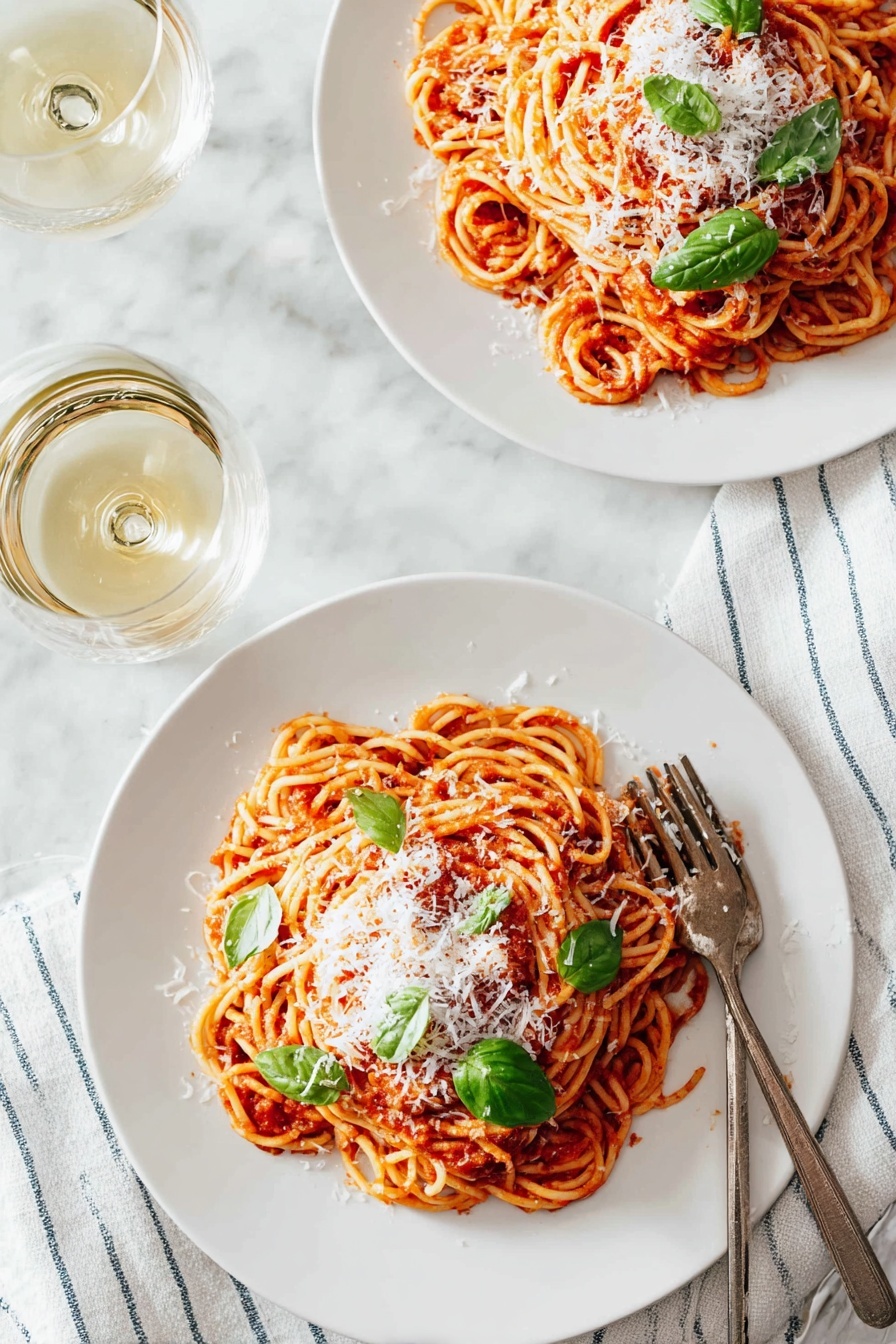
I almost always garnish with a few fresh basil leaves and a generous sprinkle of freshly grated Parmesan. The herb adds that last-layer freshness while the cheese brings a subtle salty richness that pairs so well with the vibrant sauce.
Side Dishes
My go-to pairing is a simple green salad tossed with lemon vinaigrette and some crusty garlic bread. It balances the meal without being too heavy, making the pasta the star it deserves to be.
Creative Ways to Present
For special occasions, I love twirling individual nests of spaghetti and topping each with a basil leaf and a delicate Parmesan crisp. It looks elegant without any fuss, and guests always ask for seconds.
Make Ahead and Storage
Storing Leftovers
I store leftover sauce in an airtight container in the fridge, and it keeps beautifully for up to 3 days. When reheating, I always add a splash of water and warm it gently so it doesn’t dry out or lose its brightness.
Freezing
I’ve frozen the sauce many times with great results—just make sure it’s completely cool before transferring to freezer-safe containers. It lasts up to 3 months and thaws easily in the fridge overnight without any texture loss.
Reheating
For best flavor, reheat the sauce in a saucepan over low heat, stirring occasionally. If it seems thick, stir in a little pasta water or plain water to get that silky consistency back. Then toss with freshly cooked pasta for a quick meal.
FAQs
-
Can I use fresh tomatoes instead of canned for this Simple Pasta Pomodoro with Fresh Basil Recipe?
Absolutely! If you have ripe, flavorful tomatoes, you can peel and chop them to use fresh. Just keep in mind fresh tomatoes vary in water content, so your sauce might need a longer simmer to thicken properly. For best results, use meaty varieties like Roma or plum tomatoes.
-
Do I have to strain the sauce? What if I like it chunky?
Straining is optional. I love the silky texture it provides, but if you enjoy a more rustic, chunky sauce, just skip the straining step and mash the tomatoes to break them down before simmering. It’s all about your preference!
-
What pasta works best with this sauce?
Spaghetti is classic, and I use it often, but this sauce is versatile enough to pair with penne, fettuccine, or even gluten-free noodles. The key is making sure your pasta is cooked al dente to hold onto the sauce perfectly.
-
Can I make the sauce ahead of time?
Yes! In fact, the flavors deepen and become even more vibrant if you make the sauce a day ahead. Just keep it refrigerated and combine with freshly cooked pasta when ready to serve.
Final Thoughts
This Simple Pasta Pomodoro with Fresh Basil Recipe has become one of my very favorite go-to dishes—it’s that perfect blend of freshness, comfort, and straightforward cooking. Whether you’re feeding a crowd or craving a solo dinner that feels fancy but isn’t hard, this recipe has your back. Give it a try and soon you’ll be sharing it with everyone you know, just like I did. Trust me, once you taste that fresh basil and rich tomato sauce on pasta, you’ll be hooked for life.
Print
Simple Pasta Pomodoro with Fresh Basil Recipe
- Prep Time: 5 minutes
- Cook Time: 1 hour
- Total Time: 1 hour 5 minutes
- Yield: Serves 4
- Category: Main Course
- Method: Stovetop
- Cuisine: Italian
- Diet: Vegetarian
Description
Pasta Pomodoro is a classic Italian dish featuring al dente spaghetti coated in a rich, flavorful tomato sauce made from whole peeled tomatoes, olive oil, garlic, and fresh basil. The sauce is simmered slowly to develop deep flavors and finished with freshly grated Parmesan cheese for a comforting, vibrant meal perfect for any occasion.
Ingredients
Sauce Ingredients
- 6 tablespoons extra virgin olive oil
- 1 garlic clove, lightly crushed and peeled
- 1 pinch red pepper flakes (optional)
- 1 (28-ounce) can whole peeled tomatoes
- Kosher salt
- 1 basil branch, plus more leaves for garnish
Pasta Ingredients
- 1 pound spaghetti (or packaged pasta of your choice)
- Freshly grated Parmesan cheese, for serving (optional)
Instructions
- Soften the garlic: In a large saucepan over medium-low heat, warm 1/4 cup of olive oil with the crushed garlic clove until it sizzles, about 2 minutes. Add a pinch of red pepper flakes and press the garlic to release its flavor without browning it. For a milder taste, remove the garlic; keep it in for a bolder flavor.
- Add the tomatoes: Pour the whole peeled tomatoes and their juice into the pan. Use a potato masher or wooden spoon to break the tomatoes into large pieces. Season with 1/2 teaspoon kosher salt. Raise the heat to medium-high and bring to a boil, then reduce to a gentle simmer.
- Simmer the sauce: Partially cover the pan and cook, stirring occasionally, until the tomatoes darken and the sauce thickens, about 35 to 40 minutes. The oil should pool on the surface. If the sauce thickens too quickly before developing a sweeter, richer taste, add a splash of water.
- Process the sauce: Turn off the heat and let the sauce cool for 10 minutes. Strain the sauce through a fine mesh strainer into a bowl, pressing the tomatoes to achieve a smooth consistency. Return the sauce to the pan, taste, and adjust salt as needed.
- Season the sauce: Stir in the remaining 2 tablespoons of olive oil. Lay the basil branch on top and gently simmer over medium heat for about 15 minutes to infuse flavor. Discard the basil branch, add fresh basil leaves as desired, and keep the sauce warm.
- Cook the pasta: Bring a large pot of salted water to a rolling boil. Cook the pasta according to package instructions until just al dente. Use tongs or a skimmer to transfer the pasta directly into the sauce pan.
- Combine pasta and sauce: Add a splash of reserved starchy pasta water to the sauce and toss together over low heat for about 2 minutes, allowing the pasta to absorb flavors and coat evenly.
- Serve: Divide the pasta among bowls, spoon remaining sauce on top, and garnish with freshly grated Parmesan cheese and basil leaves if desired. Enjoy!
Notes
- Use high-quality canned tomatoes such as true San Marzano for the best flavor, though many alternatives can be just as good. The key is fresh, vibrant tomato taste.
- If your pan is too small to hold both pasta and sauce, reserve 1 cup of pasta water before draining. Toss pasta with half to two-thirds of the sauce in the pot, adding a splash of cooking water to loosen if needed.
- Pomodoro sauce improves in flavor when made ahead and refrigerated overnight; reheat gently before serving.
- To freeze the sauce, cool completely and store in a freezer-safe container for up to 3 months. Thaw in the refrigerator overnight or at room temperature for a few hours.
- For a textured sauce, skip straining and simply mash large pieces with a potato masher.
Nutrition
- Serving Size: 1/4 of recipe (about 1.5 cups cooked pasta with sauce)
- Calories: 480
- Sugar: 7g
- Sodium: 350mg
- Fat: 18g
- Saturated Fat: 3g
- Unsaturated Fat: 14g
- Trans Fat: 0g
- Carbohydrates: 65g
- Fiber: 6g
- Protein: 12g
- Cholesterol: 0mg