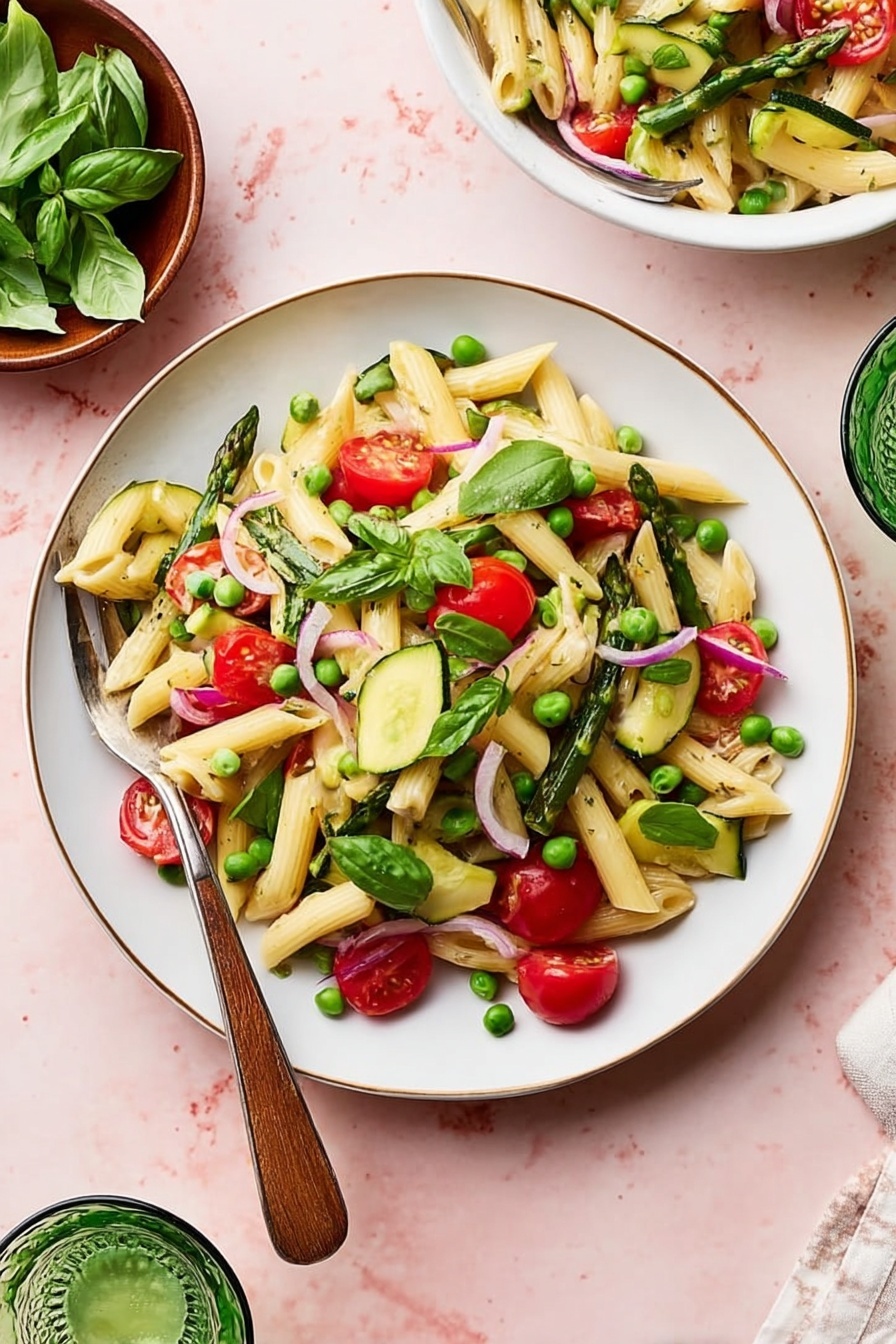
If you’re craving a fresh, vibrant, and downright delicious meal, you’re going to adore this Vegetable Pasta Primavera Recipe. I absolutely love how this dish celebrates the bounty of spring vegetables tossed with pasta, fresh herbs, and just the right zing of lemon and cheese. When I first tried this recipe, it quickly became a family favorite because it’s so colorful, easy to whip up, and packed full of wholesome ingredients that make you feel good. Trust me, once you try this, you’ll be coming back for seconds – and maybe thirds!
Why You’ll Love This Recipe
- Bursting with Fresh Veggies: This recipe makes it easy to enjoy a colorful variety of seasonal vegetables all in one bowl.
- Quick and Easy Prep: Perfect for busy weeknights when you want something tasty without the fuss.
- Versatile and Customizable: You can swap veggies and herbs depending on what you have on hand or what’s in season.
- Family Approved: Even the pickiest eaters will love it – my family goes crazy for this primavera!

Ingredients You’ll Need
The magic of this Vegetable Pasta Primavera Recipe lies in using fresh, crisp vegetables that cook just enough to stay bright and tender. Shopping for colorful produce and quality pasta will make a huge difference in the final flavor, so choose what’s fresh and vibrant.
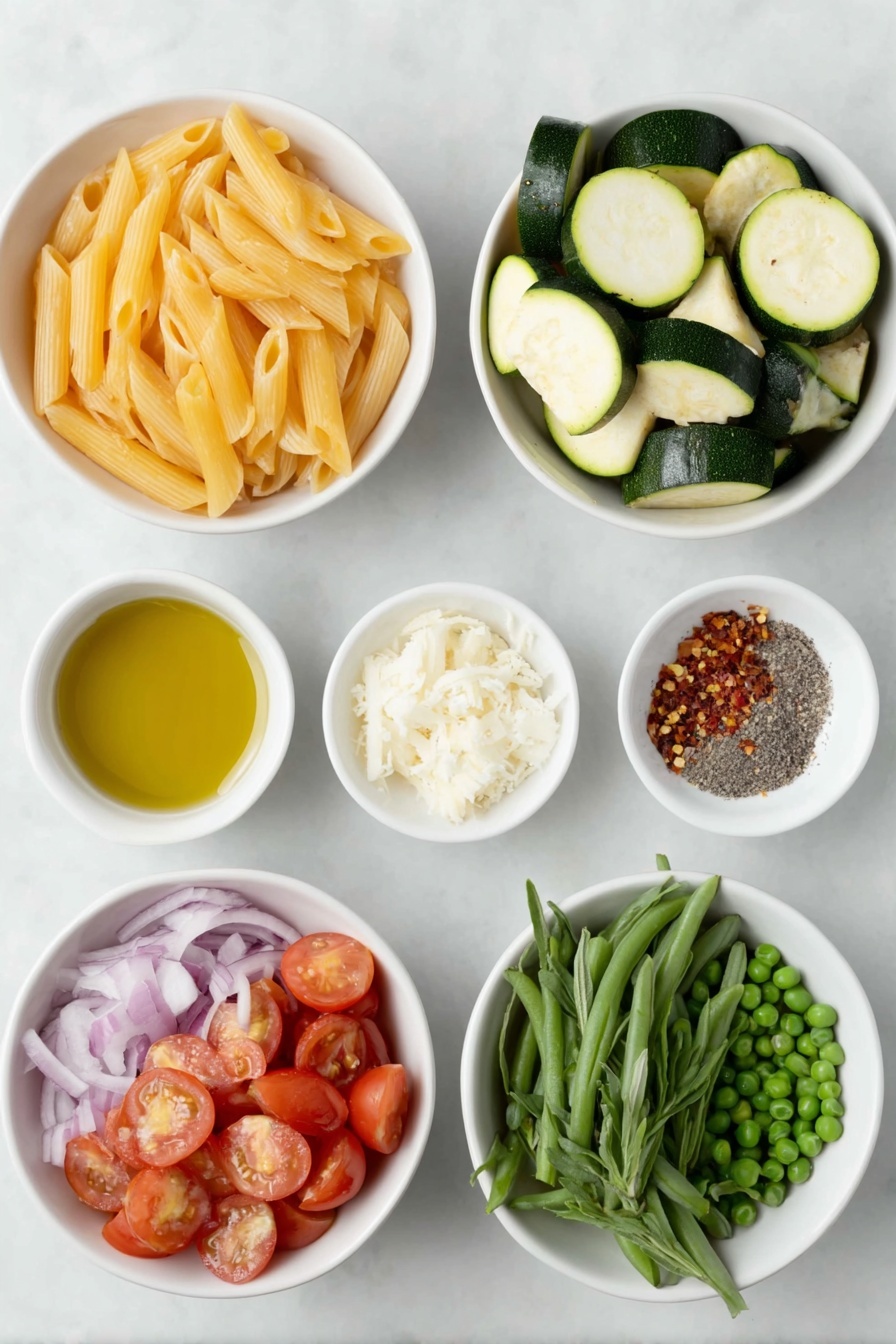
- Penne Pasta: I love penne because it holds the sauce and veggies inside, making every bite flavorful.
- Extra-Virgin Olive Oil: Adds richness and beautifully helps sauté the veggies without overpowering their freshness.
- Garlic Cloves: Thinly sliced for a mellow, aromatic flavor that infuses the dish.
- Yellow Squash and Zucchini: These tender summer squash varieties add great texture and mild flavor.
- Asparagus: Adds a slight snap and earthy taste–make sure to chop into bite-sized pieces for even cooking.
- Cherry Tomatoes: Halved for bursts of sweetness and acidity that brighten the entire dish.
- Red Onion: Thinly sliced for just the right bite and sweetness when lightly sautéed.
- Sea Salt: Enhances all the natural flavors without being overpowering.
- Frozen Peas: Thawed and added for a pop of sweetness and vibrant green color.
- Pecorino Cheese: Its savory, salty notes deepen the flavor, and I find freshly grated works best.
- Fresh Lemon Juice: Adds a zesty brightness that brings everything together beautifully.
- Red Pepper Flakes: A pinch adds just enough heat to balance the flavors.
- Fresh Basil and Tarragon: Basil is a must-have for that classic Primavera flavor; tarragon is optional but adds a lovely herbal note.
- Freshly Ground Black Pepper: For seasoning and a little kick.
Variations
I like to think of this Vegetable Pasta Primavera Recipe as a canvas—you can easily tweak it based on what you have or what you feel like eating. Don’t be shy about making it your own!
- Adding Protein: Sometimes, I toss in grilled chicken or shrimp to make it a more filling meal, which my family really appreciates.
- Switching Up Veggies: Roasted bell peppers, snap peas, or baby spinach work great too if you want to switch things up seasonally.
- Dairy-Free Version: Omit the pecorino and sprinkle with nutritional yeast for that cheesy flavor without dairy.
- Spicier Kick: If you like heat, I’ve found a drizzle of chili oil or adding more red pepper flakes does the trick without stealing the show.
How to Make Vegetable Pasta Primavera Recipe
Step 1: Cook the pasta perfectly al dente
Bring a large pot of salted water to a rolling boil—this is key to seasoning your pasta from the inside out. Cook the penne according to package instructions until just al dente. This means the pasta should be tender but still have a little bite so it doesn’t turn mushy when tossed with the veggies later. Once drained, drizzle with a bit of olive oil and toss to prevent the pasta from sticking while you prepare the veggies.
Step 2: Sauté the vegetables to tender perfection
Heat extra-virgin olive oil in a large deep skillet over medium heat. Add the sliced garlic first to gently infuse the oil—this step is where the aroma fills your kitchen and you’ll want to breathe it in! Then toss in the yellow squash, zucchini, chopped asparagus, cherry tomatoes, and red onion along with sea salt and freshly ground black pepper. Sauté for about 3 to 4 minutes until the veggies are tender yet still hold their shape and color. This quick cooking keeps the dish bright and fresh without any mushiness.
Step 3: Toss it all together with cheese, herbs, and lemon
Once the vegetables are just right, add the cooked penne pasta back into the skillet along with thawed peas, grated pecorino cheese, fresh lemon juice, and a pinch of red pepper flakes. Give everything a good toss to combine. The cheese melts just a bit to coat the pasta and veggies, and the lemon brightens up the whole dish, making it super refreshing. Finish by stirring in fresh basil and tarragon if you’re using it, then taste and adjust seasoning as needed.
Pro Tips for Making Vegetable Pasta Primavera Recipe
- Don’t Overcook Your Veggies: I’ve learned through trial and error that sautéing just 3-4 minutes keeps that perfect tender-crisp texture, so your veggies don’t turn soggy.
- Use Fresh Herbs Last: Adding basil and tarragon right before serving preserves their bright, fresh flavor—it really lifts the whole dish.
- Save Pasta Water: If your pasta seems dry when mixing, I like to add a little reserved pasta water to loosen everything up and help coat the pasta.
- Season Gradually: Adjust salt, pepper, lemon, and red pepper flakes at the end so you get the flavor balance just right without overpowering the veggies.
How to Serve Vegetable Pasta Primavera Recipe
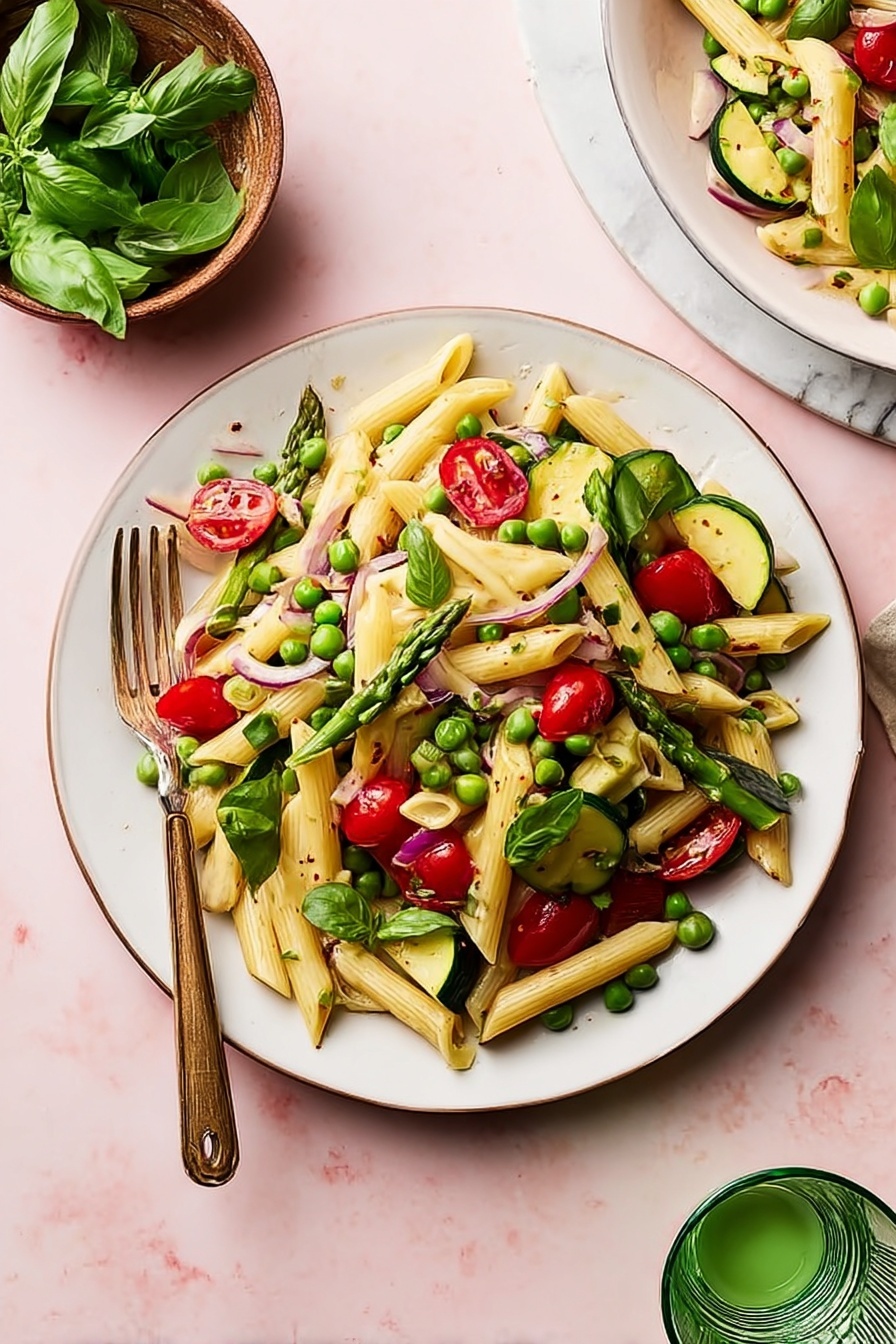
Garnishes
I typically finish this dish with extra fresh basil leaves scattered on top—there’s something about that herbaceous pop that makes it feel special. Sometimes I drizzle a little more olive oil or a few shavings of pecorino for an elegant touch. If you like a bit of crunch, toasted pine nuts or slivered almonds also work beautifully.
Side Dishes
My go-to sides are a simple green salad dressed with lemon vinaigrette or some crusty garlic bread. They keep the meal light but also add contrast in texture and flavor. If I’m feeling indulgent, a glass of chilled white wine pairs perfectly with the lemony freshness of the pasta.
Creative Ways to Present
For special occasions, I like serving this primavera in colorful bowls that highlight the veggie colors. You can also toss the pasta into individual mini cast-iron skillets and sprinkle fresh herbs tableside for a wow factor. It’s a lovely way to make an everyday meal feel festive and welcoming.
Make Ahead and Storage
Storing Leftovers
I usually store leftovers in an airtight container in the fridge and find it stays fresh for up to 3 days. The pasta does absorb a bit of the sauce and lemon, so it’s best enjoyed within that window to keep it tasting vibrant.
Freezing
Freezing isn’t my go-to for this dish since fresh veggies and pasta texture can suffer, but if you need to, freeze in a single layer in a freezer-safe container and thaw overnight in the fridge. Reheat gently to avoid overcooking.
Reheating
For reheating, I prefer warming leftovers on the stovetop with a splash of olive oil or water to prevent sticking. Microwaving works too, but do it in short bursts and stir between to keep the veggies from getting soggy.
FAQs
-
Can I use other types of pasta in this Vegetable Pasta Primavera Recipe?
Absolutely! While penne works great to catch the veggies and sauce, you can use farfalle, fusilli, or even spaghetti if that’s what you have. Just adjust cooking times accordingly to keep the pasta al dente.
-
What vegetables can I substitute if I don’t have asparagus or zucchini?
You can swap in broccoli florets, green beans, bell peppers, or even snap peas. The idea is to use fresh, colorful vegetables that sauté quickly. Just keep an eye on cooking times so everything stays tender but not mushy.
-
Can I make this recipe vegan?
Yes! Simply omit the pecorino cheese and use nutritional yeast or a vegan cheese alternative for that cheesy flavor. Also, check that your pasta is egg-free to keep it fully vegan.
-
How do I prevent the pasta from sticking together?
After draining, toss the pasta immediately with a bit of olive oil to separate the pieces. Also, avoid overcooking the pasta; al dente pasta is less sticky and perfect for tossing with other ingredients.
Final Thoughts
This Vegetable Pasta Primavera Recipe has become one of my all-time favorites because it’s fresh, simple, and satisfying in the best possible way. It’s one of those meals that feels elegant enough for guests but easy enough to make on a busy weeknight. I love how the flavors of the fresh lemon, vibrant vegetables, and fragrant herbs come together so beautifully, and I hope you’ll enjoy making and sharing it as much as I have. Seriously, give it a try and let this primavera brighten up your dinner table—you won’t regret it!
Print
Vegetable Pasta Primavera Recipe
- Prep Time: 10 minutes
- Cook Time: 20 minutes
- Total Time: 30 minutes
- Yield: 4 servings
- Category: Main Dish
- Method: Stovetop
- Cuisine: Italian
- Diet: Vegetarian
Description
Pasta Primavera is a vibrant and fresh pasta dish packed with tender sautéed vegetables, aromatic herbs, and a tangy lemon-pecorino cheese sauce. Perfect for a light yet satisfying meal, this recipe balances colorful veggies like zucchini, yellow squash, asparagus, and cherry tomatoes with the zest of fresh lemon and the subtle heat of red pepper flakes.
Ingredients
Pasta
- 10 ounces penne pasta
Vegetables & Herbs
- 1 yellow squash, sliced into thin half-moons
- 1 zucchini, sliced into thin half-moons
- 1 bunch asparagus, chopped into 1-inch pieces
- 1 cup cherry tomatoes, halved
- 1 cup thinly sliced red onion
- 4 garlic cloves, sliced
- ½ cup frozen peas, thawed
- 1 cup fresh basil leaves, plus more for garnish
- ¼ cup fresh tarragon (optional)
Other Ingredients
- 2 tablespoons extra-virgin olive oil, plus more for drizzling
- 1 teaspoon sea salt
- 3 tablespoons fresh lemon juice
- ¾ cup grated pecorino cheese
- Red pepper flakes, to taste
- Freshly ground black pepper, to taste
Instructions
- Cook the Pasta: Bring a large pot of salted water to a boil. Add the penne pasta and cook according to package instructions until al dente. Drain the pasta and toss it with a drizzle of olive oil to prevent sticking.
- Sauté the Vegetables: Heat 2 tablespoons of extra-virgin olive oil in a large, deep skillet over medium heat. Add sliced garlic, yellow squash, zucchini, chopped asparagus, cherry tomatoes, sliced red onion, sea salt, and several grinds of fresh black pepper. Sauté the vegetables for 3 to 4 minutes until they are tender but still vibrant.
- Combine Ingredients: Add the cooked pasta, thawed peas, grated pecorino cheese, fresh lemon juice, and a pinch of red pepper flakes to the skillet. Toss everything gently to combine and allow the flavors to meld.
- Add Herbs and Adjust Seasoning: Stir in fresh basil leaves and tarragon if using. Taste and adjust seasoning with additional salt, pepper, or red pepper flakes as desired.
- Serve: Garnish with extra fresh basil leaves and serve immediately while warm.
Notes
- To keep vegetables crisp-tender, avoid overcooking during sautéing.
- For extra protein, consider adding grilled chicken or shrimp.
- Use fresh lemon juice for the best bright flavor; bottled lemon juice may alter the taste.
- Frozen peas should be thawed to maintain texture and sweetness.
- Vegetarian-friendly dish; omit pecorino or substitute with a plant-based cheese for a vegan option.
Nutrition
- Serving Size: 1 serving (approximately 1/4 of recipe)
- Calories: 370 kcal
- Sugar: 6 g
- Sodium: 480 mg
- Fat: 12 g
- Saturated Fat: 4.5 g
- Unsaturated Fat: 7 g
- Trans Fat: 0 g
- Carbohydrates: 52 g
- Fiber: 6 g
- Protein: 15 g
- Cholesterol: 15 mg